


What Over/Under Means in Hockey
The first totals bet I ever placed on hockey was an over 5.5 on a random Tuesday night NHL game. I chose it because the number felt low — five goals is nothing, right? The game finished 2-1. That was my introduction to a market that looks deceptively simple but rewards patience and research more than almost any other bet type in hockey.
Over/under betting in hockey means wagering on the total number of goals scored by both teams combined. The bookmaker sets a line — typically 5.5, 6, or 6.5 for NHL games — and you decide whether the actual total will finish above (over) or below (under) that number. NHL totals usually open around 6 or 6.5, reflecting a league-wide scoring average that hovers near six goals per game. That average has crept upward in recent seasons as rule changes and tactical shifts have opened up offence, but it remains the anchor point for every totals line.
For UK bettors, this market works identically to the goals over/under in football. The critical difference is the numbers involved. In football, the standard line is 2.5 goals; in hockey, you’re dealing with figures more than twice that size. That higher baseline means individual goals shift the implied probability less dramatically, which creates a different rhythm for in-play wagering — but I’ll come back to that.
NHL Scoring Averages and Typical Totals Lines
Getting the totals line right starts with understanding where NHL scoring actually sits. The league-wide average has fluctuated between 5.6 and 6.3 goals per game over the past decade. In 2026, we’re sitting near the upper end of that range, driven by increased power-play opportunities and a younger generation of skaters who prioritise speed over structure.
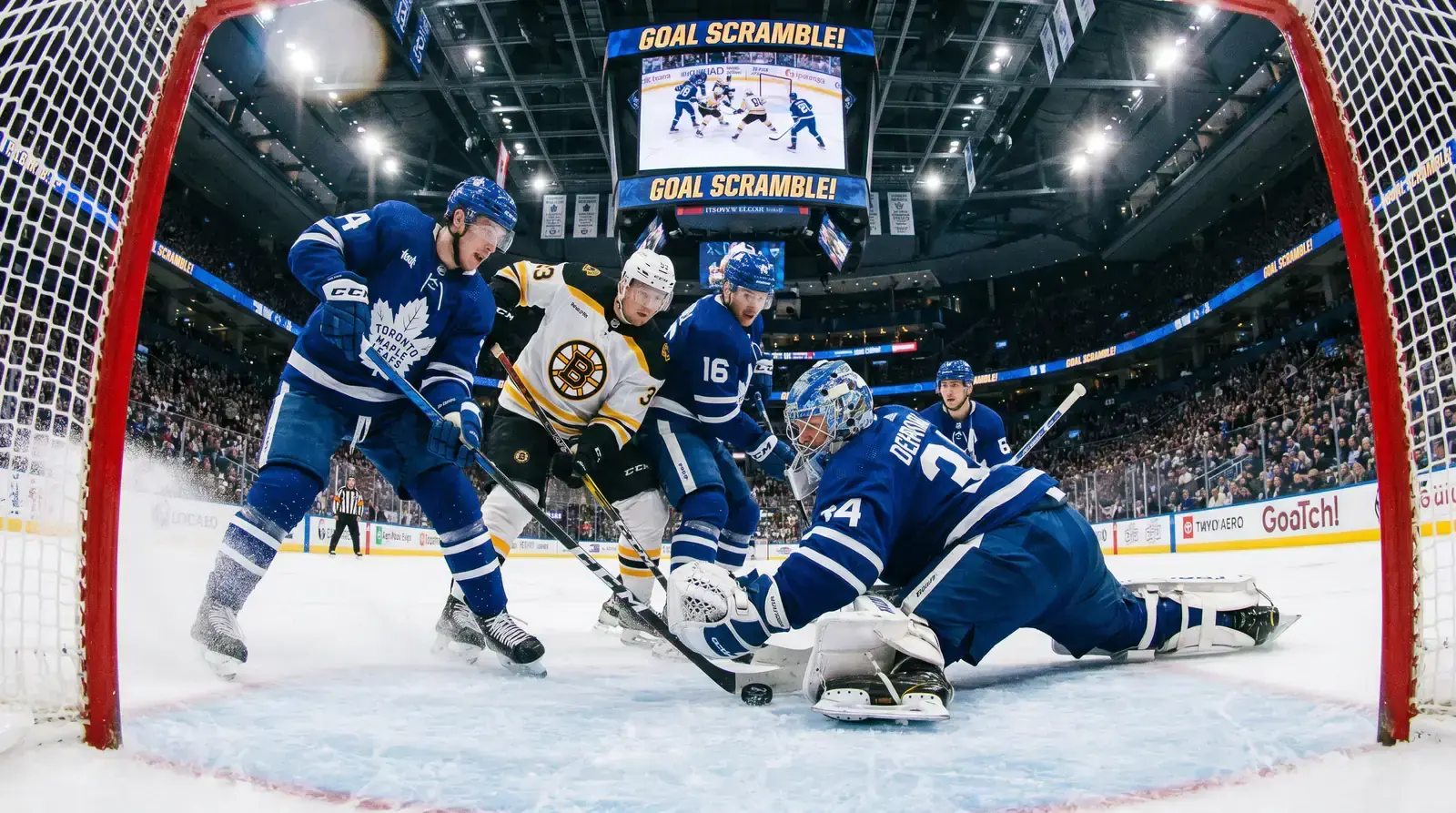
Most NHL games open with a total of 6 or 6.5. Lines of 5.5 appear for matchups featuring elite goaltending or two defensively disciplined teams. Lines of 7 are rare and reserved for games where both teams play up-tempo, run-and-gun hockey with questionable netminding.
The pricing around these lines matters as much as the line itself. A total of 6 with the over at -120 and the under at +100 is a fundamentally different proposition from a total of 6 with the over at -105 and the under at -115. The juice tells you where the market expects the total to land relative to the line. When both sides are priced near -110, the bookmaker is expressing genuine uncertainty. When one side carries heavy juice, the line is being held in place while the price does the work of adjustment.
I track opening and closing lines for every NHL game during the season. The data consistently shows that totals move less than moneylines — a line that opens at 6 rarely closes at 5.5 or 6.5. Instead, the price adjusts. This means early bettors on totals are often rewarded with better prices even if the line itself stays flat.
Five Factors That Push Totals Up or Down
At the 2026 IIHF World Championship in Zürich and Fribourg, 64 games produced 371 goals — an average of 5.8 per game. International hockey tends to run slightly lower than the NHL because of the larger ice surface and different tactical approaches. That tournament-level data illustrates a broader point: scoring isn’t random. It’s driven by identifiable factors that you can research before the puck drops.
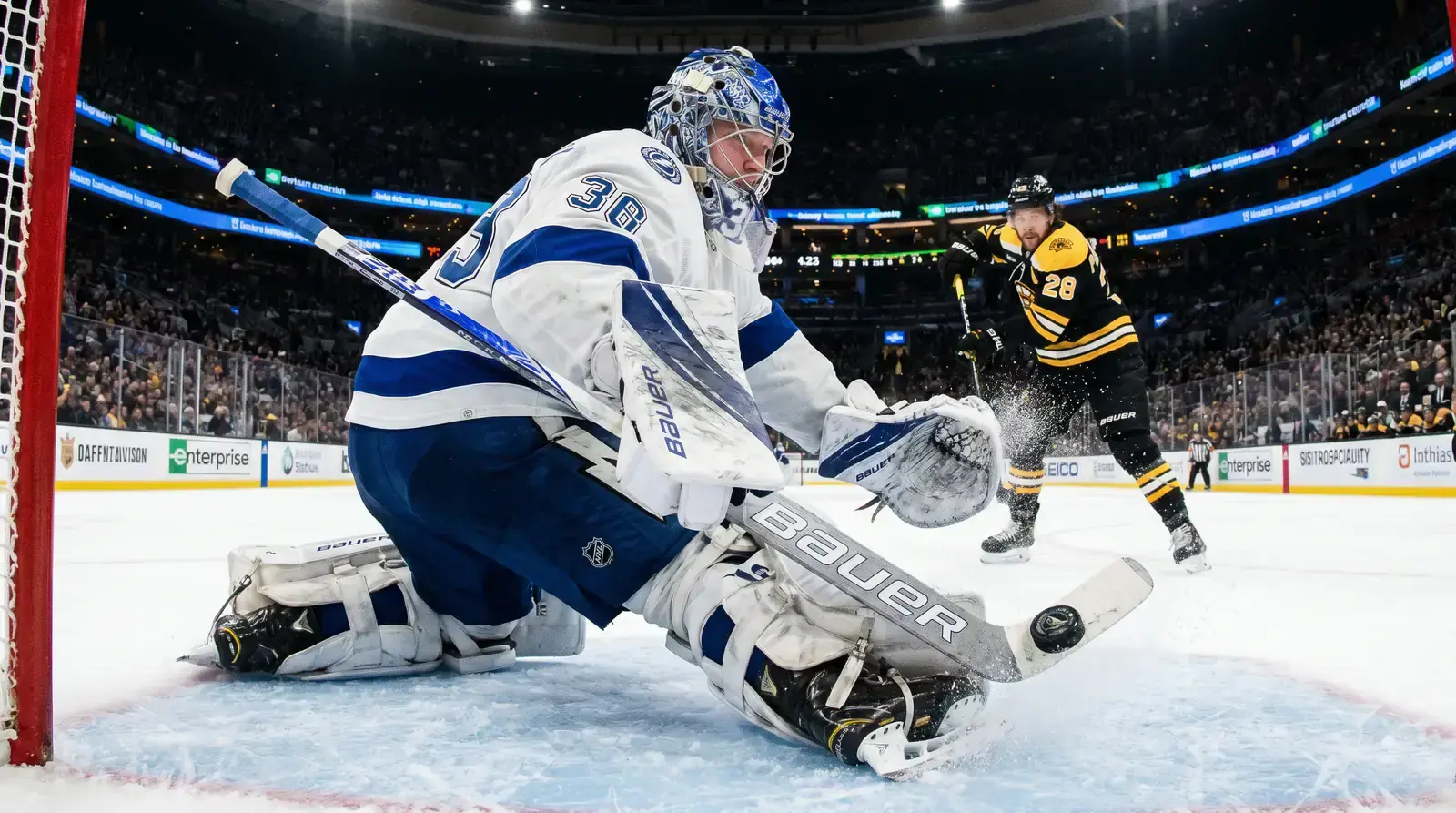
The first and most impactful factor is goaltending. A matchup between two elite starters — goaltenders with save percentages above .920 — will suppress scoring by half a goal or more compared to a matchup featuring a backup on one side. I always check goaltender confirmations before betting a total. Always. If you skip this step, you’re gambling blind.
The second factor is pace of play. Some teams generate 35 or more shots per game; others sit around 27-28. When two high-volume shooting teams meet, the probability of a high-scoring game increases. Conversely, a matchup between two low-event teams compresses the scoring environment. Shots on goal data, available free from the NHL’s own stats page, is the quickest proxy for this.
Third: special teams. A team with a power play clicking above 25% and another team with a penalty kill below 75% creates an environment ripe for extra goals. Penalties are variable by nature, but the underlying special teams efficiency is stable enough over 10-15 game samples to be predictive.
Fourth is schedule context. Teams on the second night of a back-to-back tend to concede more goals, partly because of goaltender rotation (the backup often starts) and partly because of fatigue in the defensive zone. I’ve found that back-to-back unders are slightly overrated by the market — the public assumes tired teams can’t score, but tired teams also can’t defend. The net effect on totals is closer to neutral than most bettors expect.
The fifth factor is venue. Certain arenas — historically, Colorado’s altitude, Edmonton’s fast ice — produce higher-scoring games. These effects are small and the market accounts for them, but they matter at the margins when you’re deciding between a lean and a pass.
Team Totals and Period Totals
Beyond the full-game over/under, most UK bookmakers now offer team totals and period totals for NHL games. These sub-markets are where I find some of the most interesting edges, because they receive less attention and less sharp money than the main total.
A team total asks you to bet on how many goals one specific team will score. Lines typically sit at 2.5 or 3.5, depending on the team’s offensive output and the opposing goaltender. I use team totals when I have a strong view on one side of a matchup but not the other. If I think Edmonton’s offence will explode but I’m uncertain about whether the opposing team can keep pace, a team total over on Edmonton isolates my opinion cleanly.
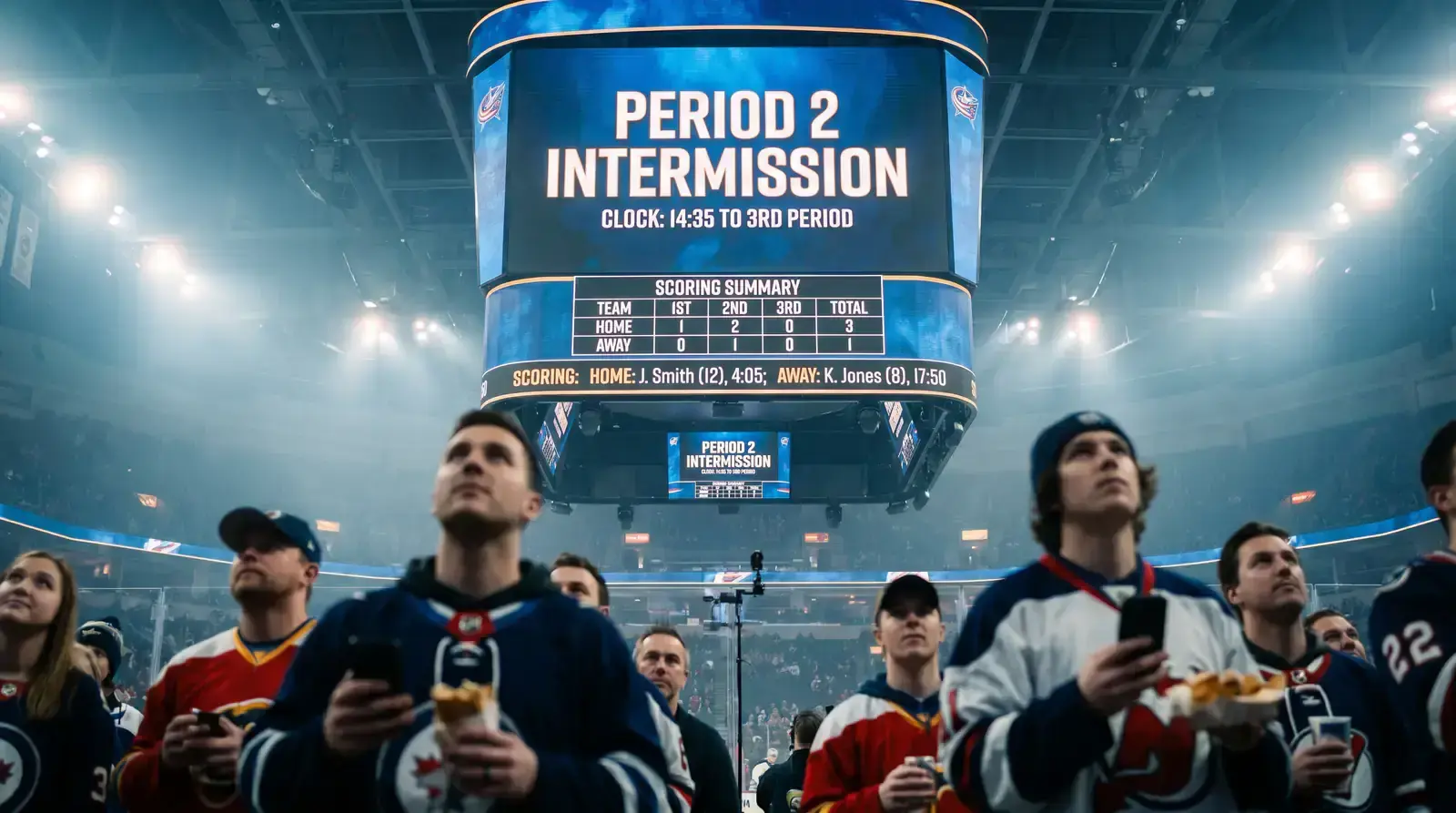
Period totals break the game into three segments. First-period totals usually sit at 1.5, with the under carrying the heavier price. Second-period totals are similar. Third-period totals can be slightly higher because of desperation scoring, empty-net goals, and teams chasing the game. The period betting market is growing rapidly and deserves serious attention from anyone who studies game-flow patterns.
One pattern I’ve tracked across four seasons: first-period unders hit at a higher rate in games where both starting goaltenders are confirmed elite starters. This makes intuitive sense — both teams play cautiously in the opening frame when they know the opposing netminder is dialled in. The pricing doesn’t always reflect this, which is where value lives.
Totals betting in hockey rewards specificity. The broad question — over or under? — is just the entry point. The real work happens when you drill down into the factors that determine where goals come from, how many to expect, and which sub-markets let you express your analysis most precisely.
