
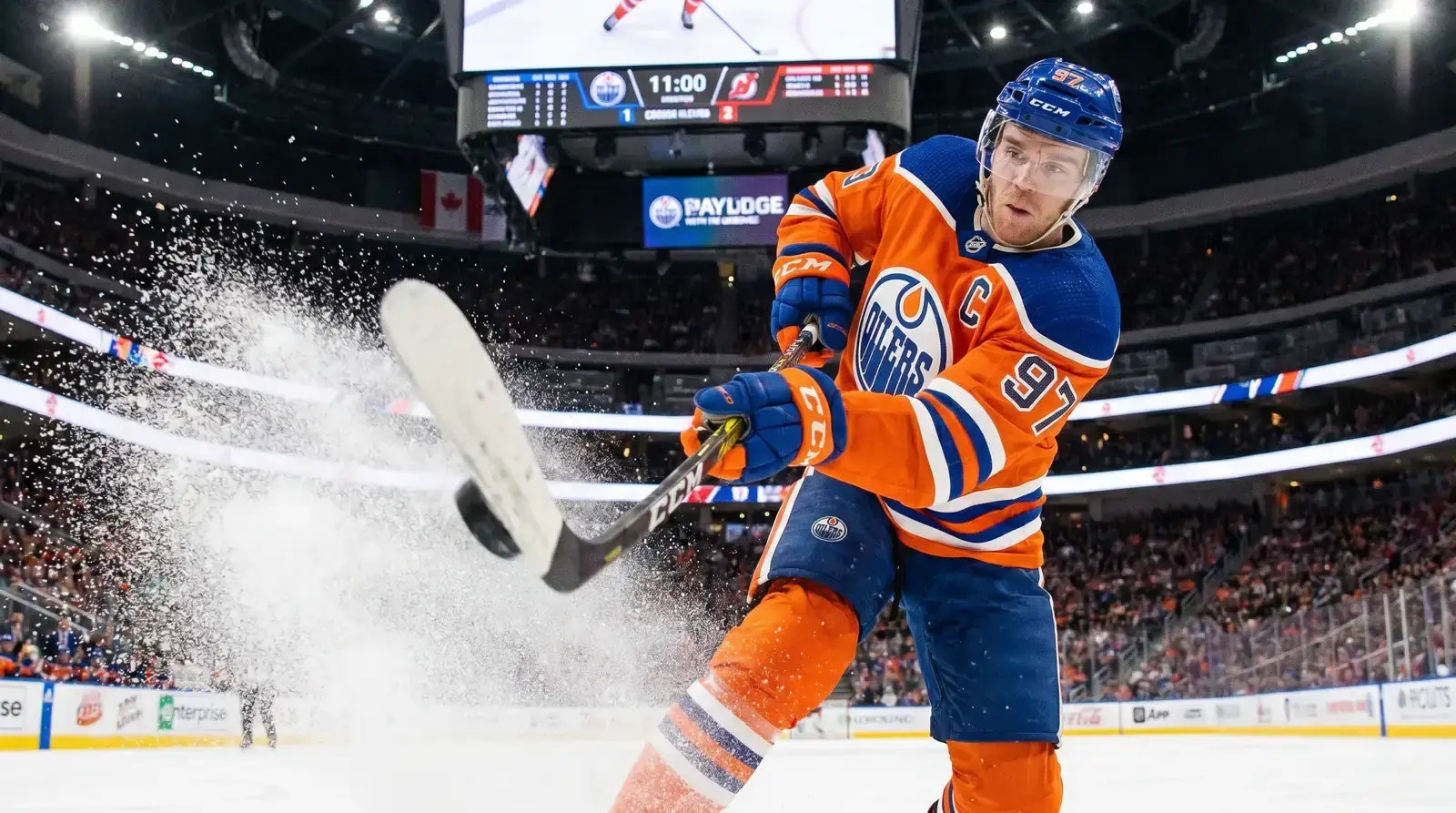

NHL Player Props: Betting on Individual Performances
My most profitable bet of last season wasn’t a moneyline or a total. It was a player prop: a first-line forward to record over 4.5 shots on goal at +110. The player had averaged 4.8 shots per game over his last 15 starts, and the bookmaker had set the line using his season-long average of 3.9. That discrepancy between recent form and season-long average created a pricing gap that I’ve since found across dozens of similar situations.
New bookmakers entering the UK market have been adding niche sports markets at a rate of roughly 34% year on year, and NHL player props are one of the fastest-growing categories within that expansion. Five years ago, UK bettors were lucky to find anytime goalscorer markets for NHL games. Now, major operators offer shots on goal, assists, points, saves, and even blocked shots for every game on the schedule. That market growth has created more opportunities for analytical bettors — but it’s also created more traps for those who bet on names rather than numbers.
Types of NHL Player Props Available in the UK
The most widely available player prop at UK bookmakers is anytime goalscorer — a bet on a named player to score at least one goal in the game. Prices for NHL scorers range from around +150 (2.50 decimal) for elite goal-scorers like Auston Matthews or Leon Draisaitl to +500 or longer (6.00+) for defensive defencemen or fourth-line forwards. The implied probabilities range from roughly 40% at the short end to 17% at the long end.

Shots on goal is the prop I trade most frequently because it’s the most predictable. Shot volume is driven by ice time and offensive role — two factors that are highly stable from game to game for top players. A forward who averages 18 minutes of ice time and plays on the first power-play unit will generate shots at a consistent rate regardless of whether the team wins, loses, or faces a hot goaltender. The line is typically set at 2.5, 3.5, or 4.5 depending on the player’s season average.
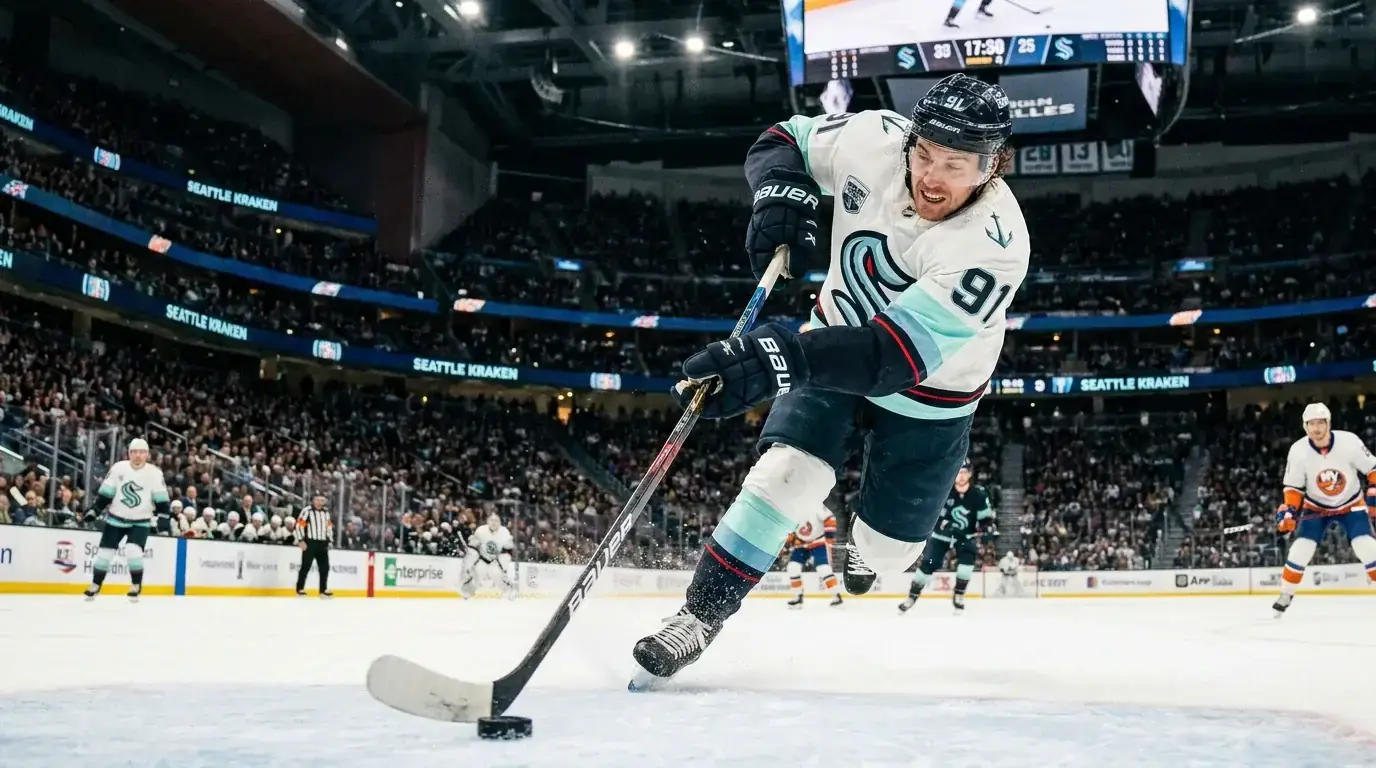
Points (goals plus assists) props are offered for star players and typically set at 0.5, 1.5, or 2.5. The over 0.5 points market is essentially a bet on whether the player records any offensive contribution — something that happens roughly 50-65% of the time for top-line players. Over 1.5 points requires a multi-point game and is priced accordingly at +140 to +200 for stars.
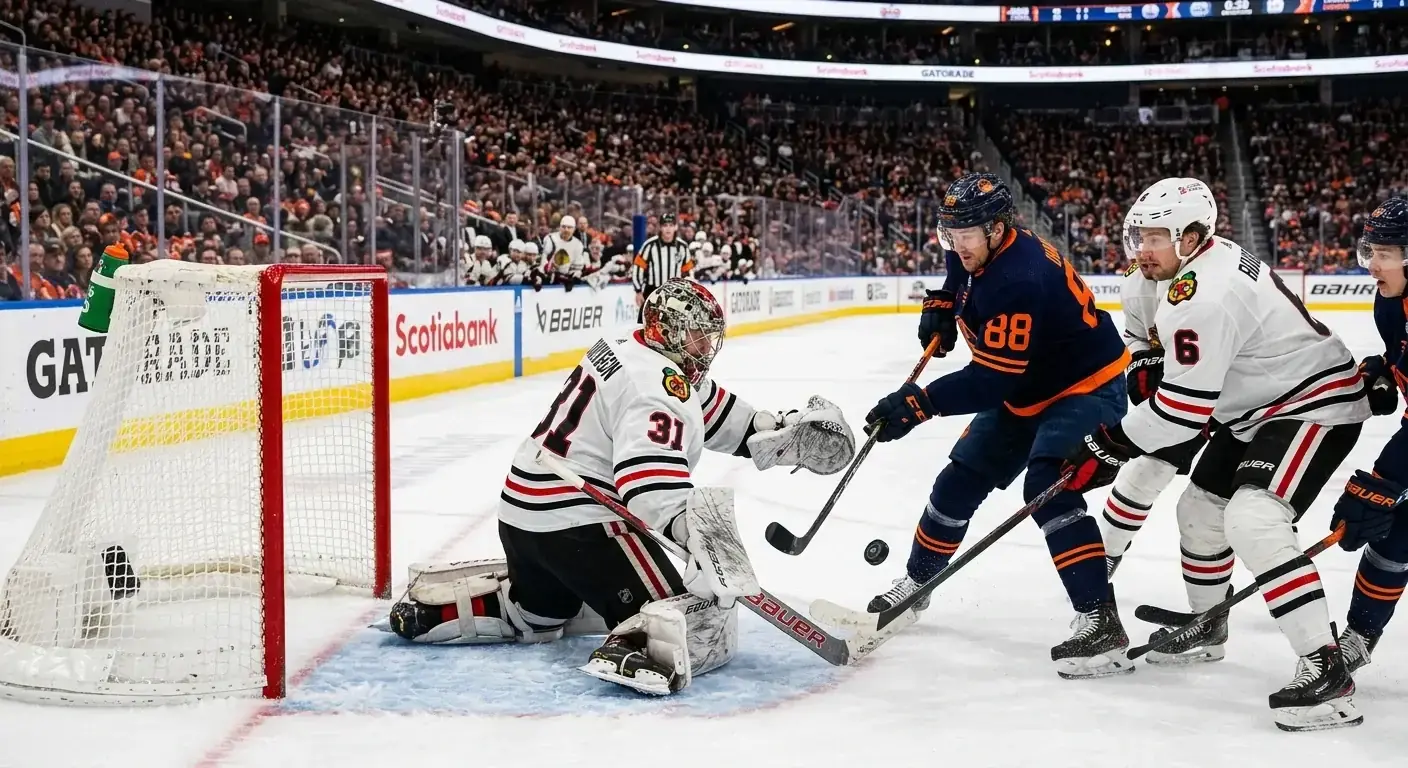
Goaltender saves props round out the main categories. The line is typically set between 24.5 and 32.5 depending on the expected shot volume the goaltender will face. This market is conceptually similar to shots on goal but from the defensive side — it measures volume, not quality, and is therefore more stable and predictable than markets that depend on goals being scored.
Using Player Data to Assess Prop Lines
A goaltender change shifts implied probability by 3-5%, and that shift cascades into player props. When a backup goaltender starts, opposing forwards’ prop lines should theoretically adjust upward — they’re shooting against a weaker netminder, so goalscorer probabilities increase. In practice, bookmakers adjust player prop pricing slowly and incompletely after goaltender confirmations. The moneyline adjusts within minutes; player props might not adjust for an hour or more. That lag creates a window where goalscorer props on the team facing the backup are underpriced.

For shots on goal props, the key data points are: average shots per game (over the last 10-15 games, not season-long), ice time per game, and power-play deployment. A player averaging 4.2 shots on goal with 20 minutes of ice time and first-unit power-play duties is in a different category from one averaging 2.1 shots with 13 minutes and no power-play time. The line might be set at 3.5 for both, but the probabilities are vastly different.
Matchup context adds another layer. Some defencemen and defensive systems suppress opposing shot volumes more than others. If a top scorer is facing a team that plays a tight defensive structure and limits opponent shots to 26 per game, his individual shot volume is likely to dip below his season average. Conversely, if he’s facing a team that allows 35 shots per game, his shot volume will likely exceed his average. Adjusting for opponent shot allowance is a simple calculation that sharpens your prop assessment.
One tool I use daily: the NHL’s official stats page, which provides current-season per-game averages for every stat category. Cross-referencing a player’s per-game average with the prop line tells you immediately whether the bookmaker is pricing above or below the statistical baseline. If the player averages 3.8 shots and the line is set at 3.5, the over is mathematically favoured. If the line is set at 4.5, the under is favoured. The bookmaker knows this too, which is why the juice on each side is where the real assessment happens.
Common Value Spots in NHL Player Prop Markets
Three recurring situations produce consistent value in NHL player props.
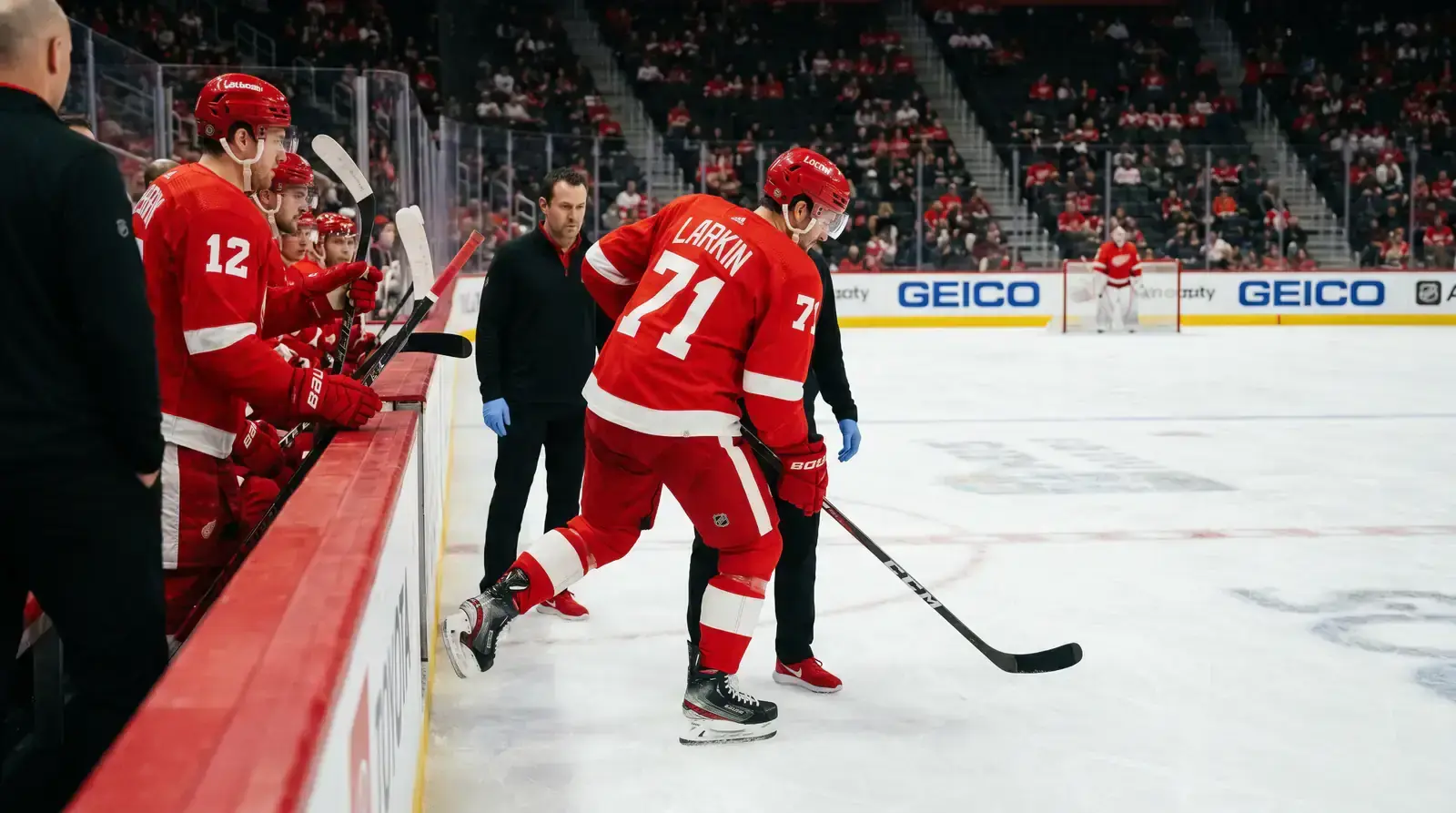
The first is post-injury returns. When a star player returns from an injury absence of two or more weeks, his prop lines are often set conservatively — based on the possibility that he’ll ease back in with reduced minutes. In reality, most returning stars are immediately thrust back into their full role. Their ice time and shot volume on the first game back are close to their pre-injury baseline, but the line hasn’t caught up. Betting the over on shots or points for a returning star is one of the most reliable prop angles I’ve found.
The second is cold-streak regression. A player who typically shoots 12% and has been shooting 5% over the last ten games is due for regression. His goalscorer prop is priced based on his recent output, not his long-term rate. The anytime goalscorer price for a cold-streak star is often +250 or longer, implying a 29% probability, when his underlying shot volume and expected shooting percentage suggest 35-40%. That gap is value.
The third is the saves market for goaltenders facing high-volume offences. If a goaltender is expected to face 35 shots and the saves line is set at 28.5, the over is attractive on volume alone. Even a below-average goaltender with a .905 save percentage would be expected to make 31-32 saves on 35 shots. The saves market rewards simple arithmetic more than any other prop, and the pricing is often generous because it attracts less attention than goalscorer or shots props.
Player props reward specialisation. You don’t need to have an opinion on every prop in every game. Find one or two prop types that you understand deeply — shots on goal and saves are my focus — and track them consistently throughout the season. The edge is small on any individual bet, but it compounds over hundreds of games.
