
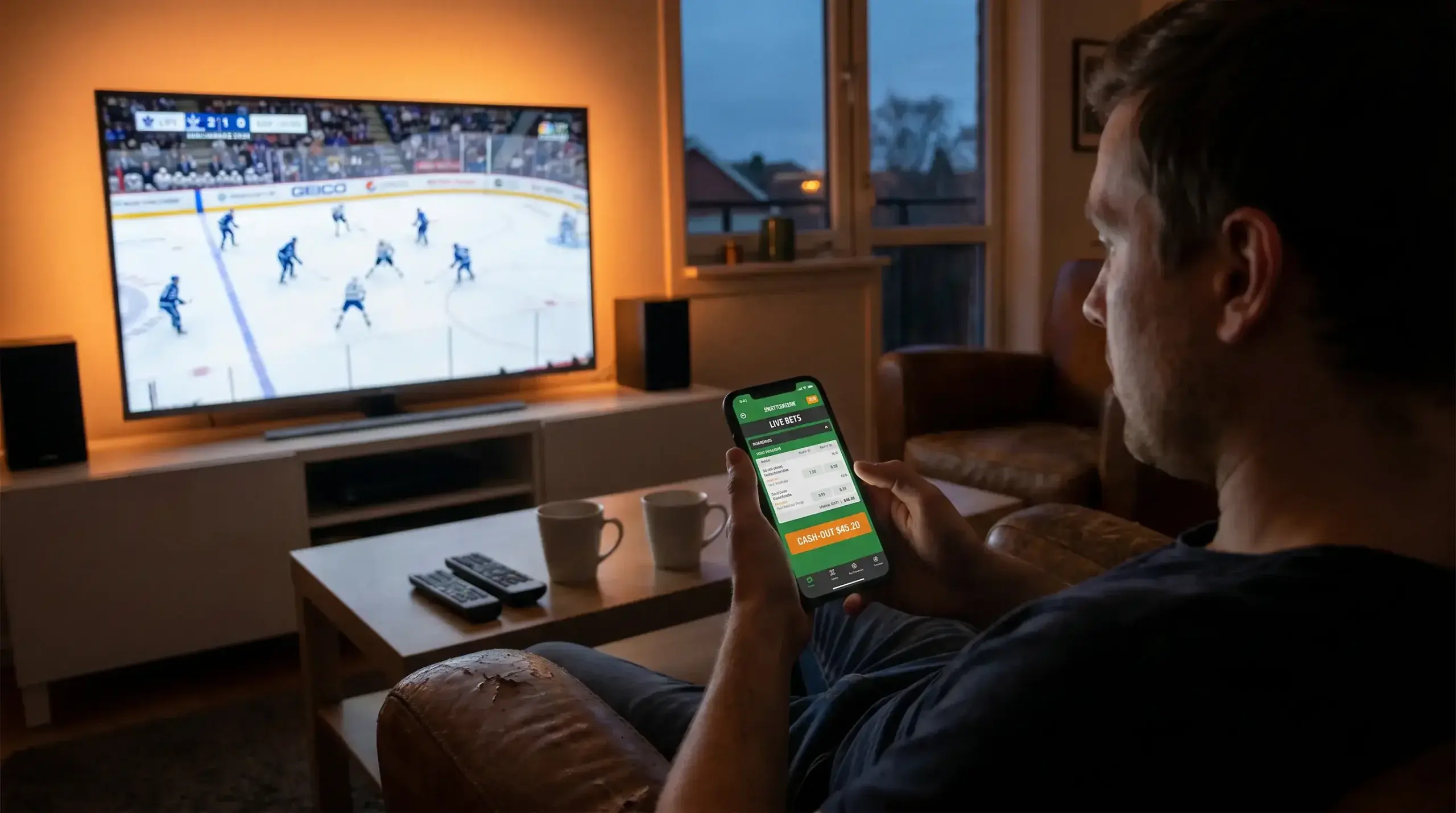

Cash Out in Hockey: Locking Profit or Cutting Losses Mid-Game
Last season, I had a moneyline bet on a 2-0 favourite going into the third period. The cash-out offer was GBP 18 on a GBP 10 stake — an 80% return with 20 minutes still to play. I declined, the favourite conceded two late goals, the game went to overtime, and my team lost in a shootout. GBP 10 gone. That GBP 18 offer haunted me for days, and it permanently changed how I evaluate cash-out decisions.
Cash out allows you to settle a bet before the event finishes, locking in either a profit or a reduced loss based on the current state of play. The bookmaker recalculates the value of your bet using live odds and offers you a price to close it early. The share of live betting in total handle surpassed 50% at DraftKings in 2025, and cash out is the feature that bridges pre-game and in-play betting — it turns a static bet into a dynamic position that you can manage as the game unfolds.
For hockey, cash out is particularly relevant because the sport’s scoring rhythm creates frequent shifts in bet value. A single goal can turn a losing position into a profitable one, and the three-period structure provides natural reassessment points — the first and second intermissions — where you can evaluate your position without the pressure of live action.
Full Cash Out vs Partial Cash Out
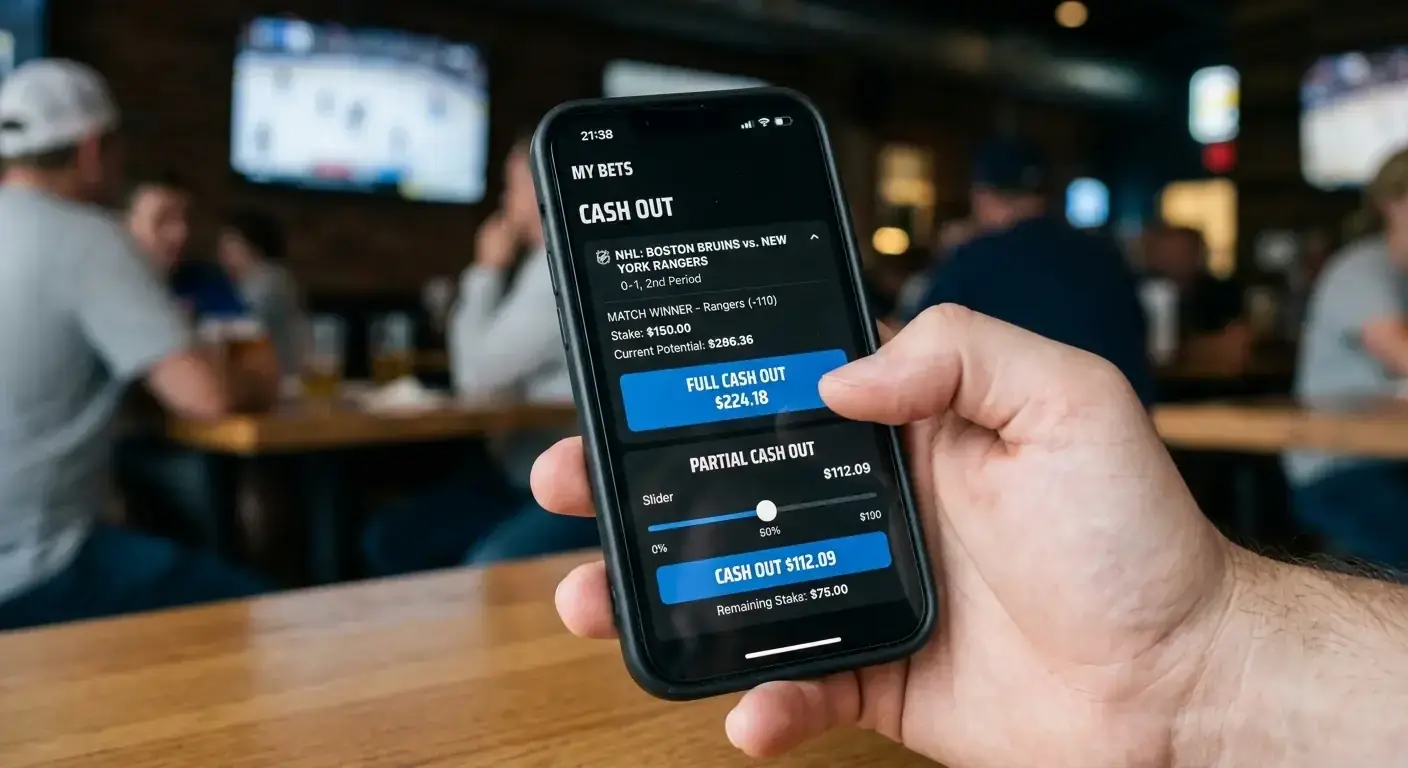
Full cash out closes your bet entirely. You receive the offered amount, and the bet is settled regardless of what happens next. If the bookmaker offers GBP 15 on a GBP 10 bet, you take the GBP 15 and walk away. The original bet ceases to exist.

Partial cash out lets you settle a portion of your bet while leaving the rest active. If the offer is GBP 15, you might cash out GBP 10 (securing your original stake) and leave the remaining GBP 5 of value running on the original bet. If the bet ultimately wins, you collect the remaining payout on the active portion. If it loses, you’ve already recovered your stake.
Partial cash out is the more sophisticated tool, and it’s the one I use almost exclusively when I cash out at all. The logic is simple: if I liked the bet enough to place it, I probably still like it. But if the game situation has introduced new risk that I didn’t anticipate — an injury to a key player, an unexpected goaltender change mid-game — taking some money off the table while maintaining exposure makes more sense than a binary all-or-nothing decision.
Not all UK bookmakers offer partial cash out on hockey bets. Those that do typically make it available on singles and accumulators, but the partial amount may be capped or the feature may be unavailable during certain game situations (such as during a power play or immediately after a goal while odds are recalculating).
When Cash Out Makes Sense for Hockey Bets
In-play at bet365, the proportion of sports revenue from in-play betting reached 68% at its peak. Cash out is a natural companion to that kind of live engagement. But deciding when to use it requires discipline rather than impulse.
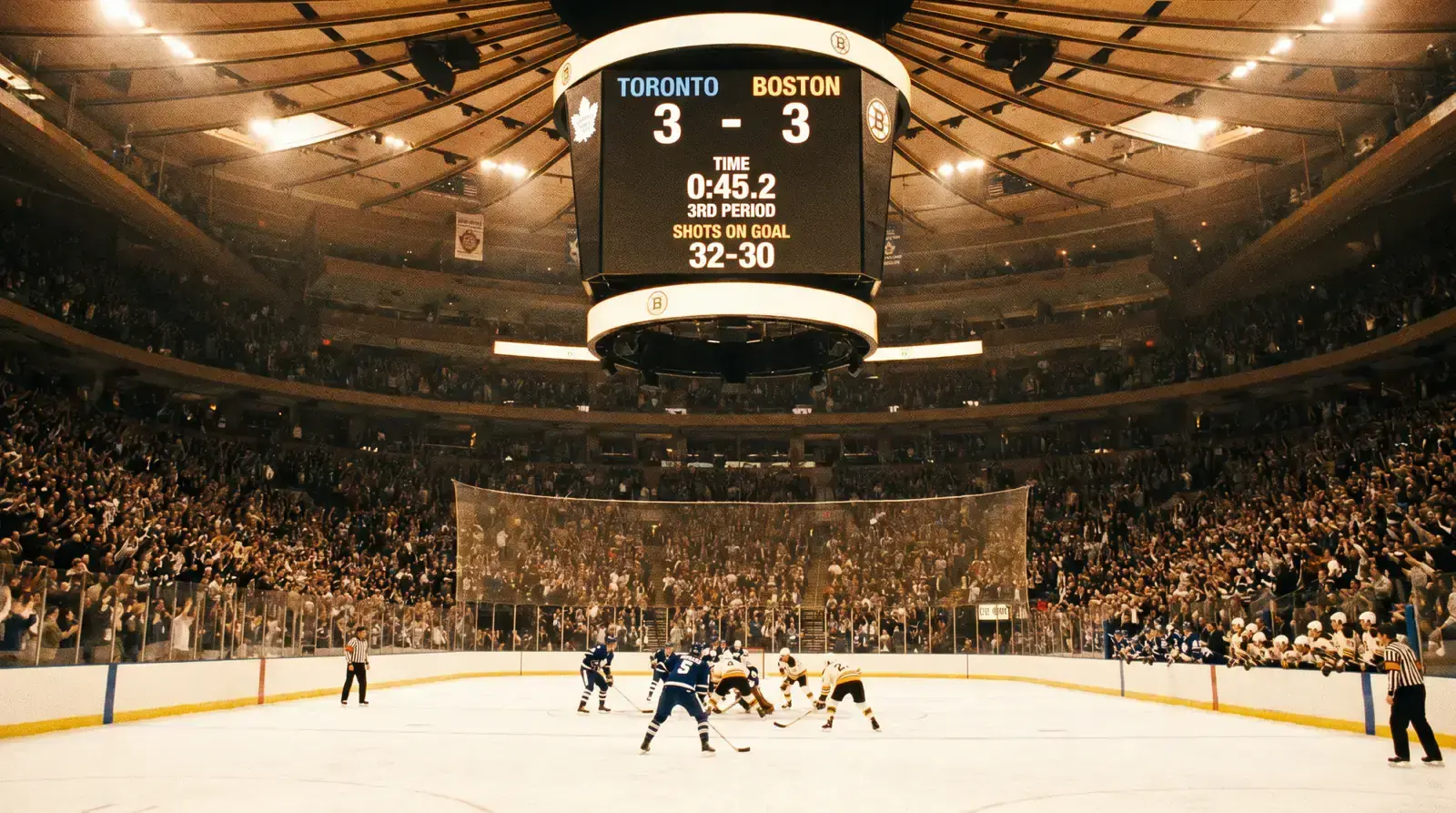
Cash out makes sense in three scenarios. The first is protecting a profit on a bet that has shifted in your favour but faces a quantifiable remaining risk. If you backed the underdog and they lead 2-1 entering the third period, the cash-out offer reflects a position that’s winning but not won. The favourite could equalise and push the game to overtime. Cashing out here locks in a guaranteed return and eliminates the variance of the final period.
The second scenario is cutting losses early when your analysis has been invalidated. If you bet the over on a game and the first period finishes 0-0 with both goaltenders making highlight saves, the underlying premise of your bet — high scoring — looks shaky. Cashing out for a partial loss is often better than riding a deteriorating position for another 40 minutes.
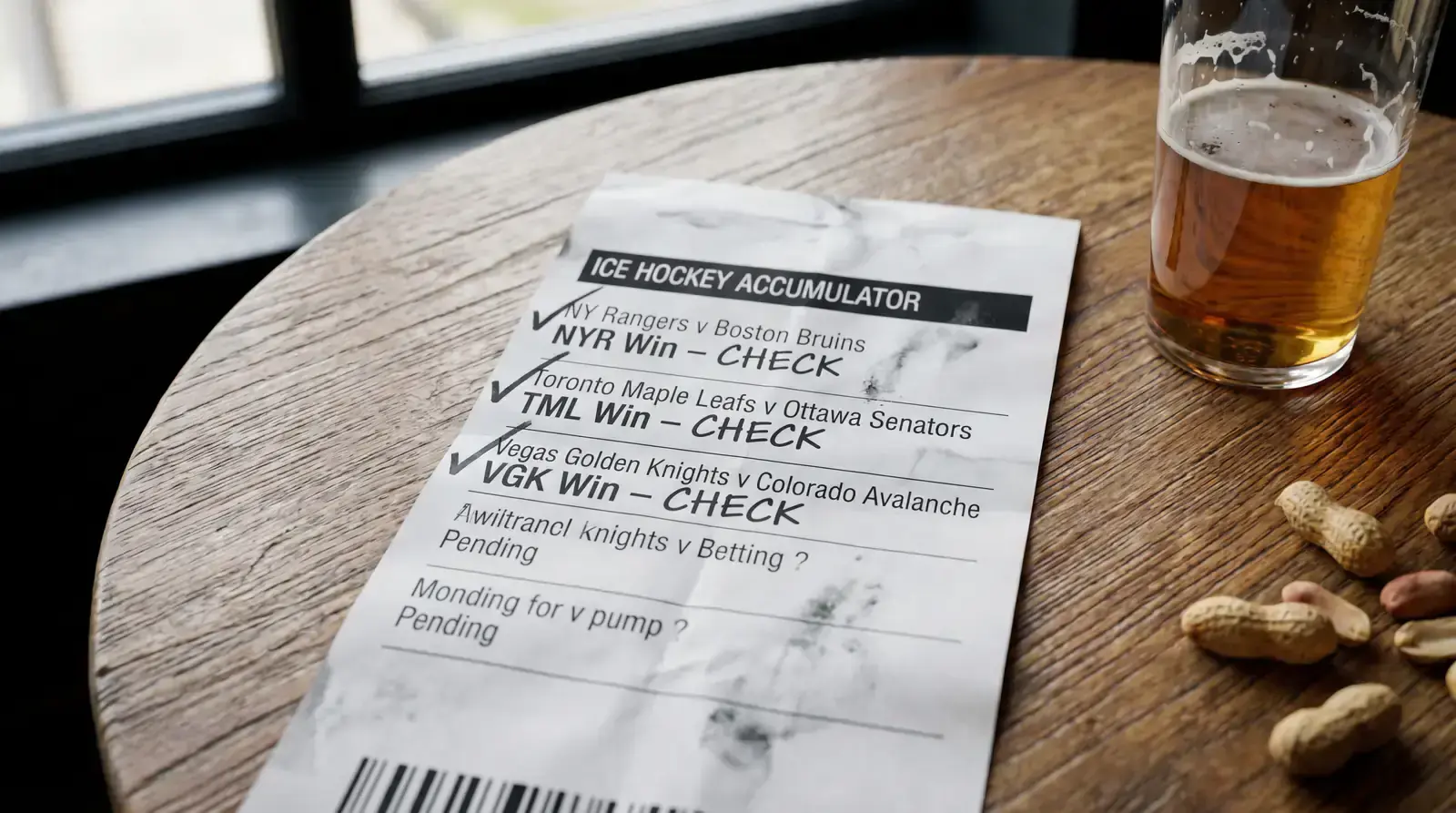
The third scenario is specific to accumulators. If three legs of a four-leg acca have won and the fourth game is about to start, the cash-out offer on the settled legs is often generous. Taking that cash-out removes the risk of losing the entire acca on the final leg, which is a single point of failure in a bet that has otherwise succeeded.
Why Cash Out Often Favours the Bookmaker
The cash-out offer is not the fair value of your bet. It’s the fair value minus a margin. Bookmakers build a spread into every cash-out offer, typically 5-10%, which means you’re accepting a discount to exit your position early. Over hundreds of cash-out decisions, that margin accumulates against you.
I’ve tracked my cash-out decisions against what would have happened if I’d let the bets run. In roughly 60% of cases where I cashed out a winning position, the bet would have won at full value. In the other 40%, the bet would have lost, meaning cash out saved me. The 60/40 split suggests that cash out is a net negative in expected value terms — I’m giving up profitable outcomes more often than I’m avoiding losses.

This doesn’t mean you should never cash out. It means you should treat it as an occasional risk-management tool rather than a routine part of your betting process. If you’re cashing out multiple bets per session, you’re either betting impulsively (and using cash out as a correction mechanism) or you’re systematically leaving value on the table.
One final consideration: the speed of cash-out execution matters in hockey. When a goal is scored, your cash-out offer changes instantly — and in most cases, it disappears entirely for 30-60 seconds while the bookmaker recalculates. If you’re considering cashing out during live hockey, the decision needs to be made during a stoppage in play, not during active action. Waiting for a faceoff or a TV timeout gives you the best chance of executing at the price you’ve evaluated.
