
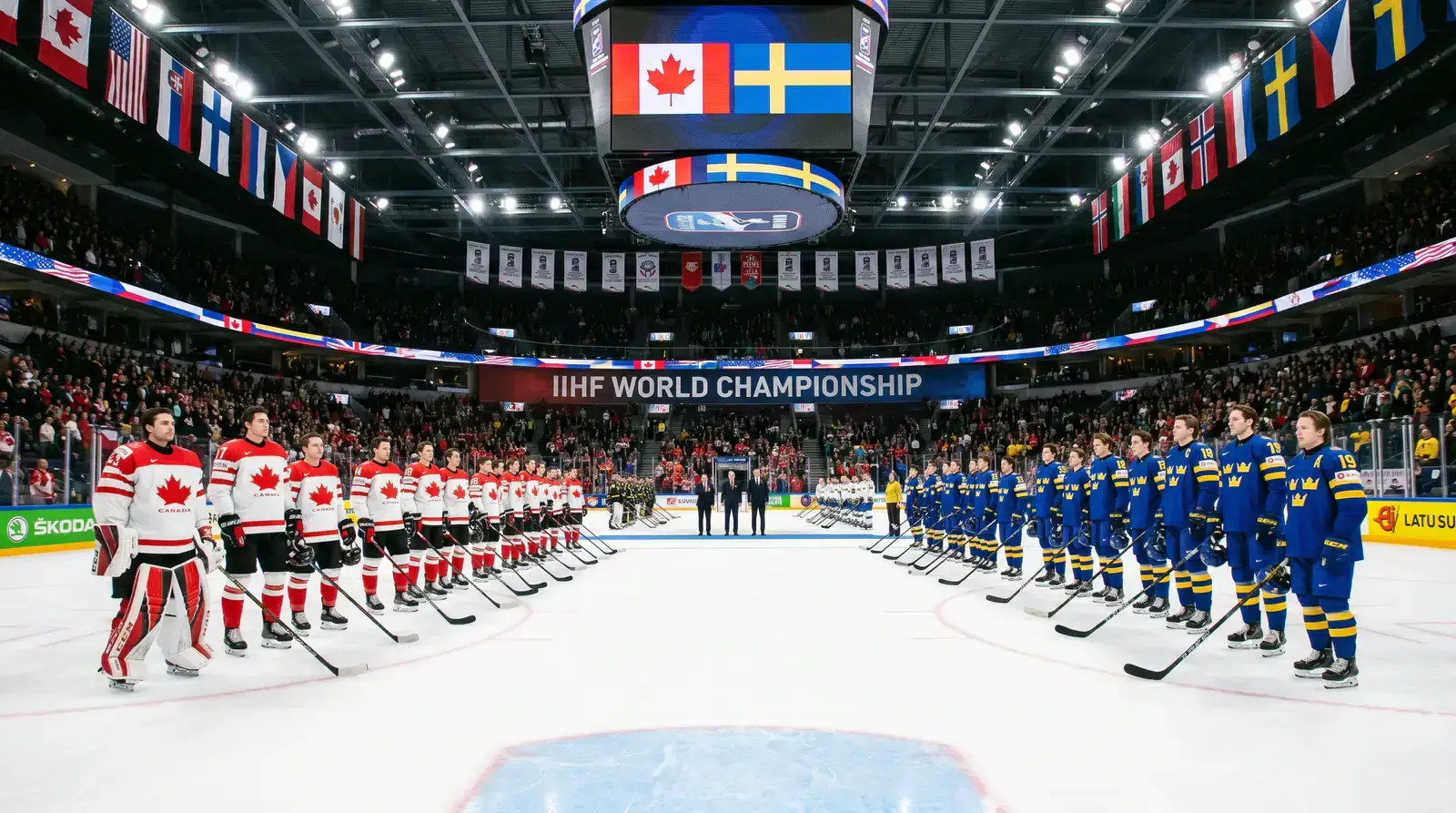

Why the IIHF Worlds Offer Unique Betting Angles
Every May, the hockey betting calendar hands you a gift that most UK punters ignore entirely. The IIHF World Championship runs for two and a half weeks, features national teams playing on international-sized ice, and produces a scoring environment that bears almost no resemblance to the NHL regular season. The 2026 tournament in Zürich and Fribourg delivered 64 games, 466,314 spectators, and 371 goals — an average of 5.8 per game. That’s lower than the NHL average, and the reasons behind that difference are exactly where the betting value lives.
I started paying serious attention to the Worlds in 2022, when I noticed that the lines on group-stage games were significantly softer than anything the NHL offered. The explanation is simple: bookmakers devote fewer resources to pricing a two-week tournament than a six-month season. Their models for national team hockey are less refined, injury information flows more slowly, and the betting public pays less attention. For anyone willing to do the work, those conditions create a window of opportunity that opens once a year and closes within days.
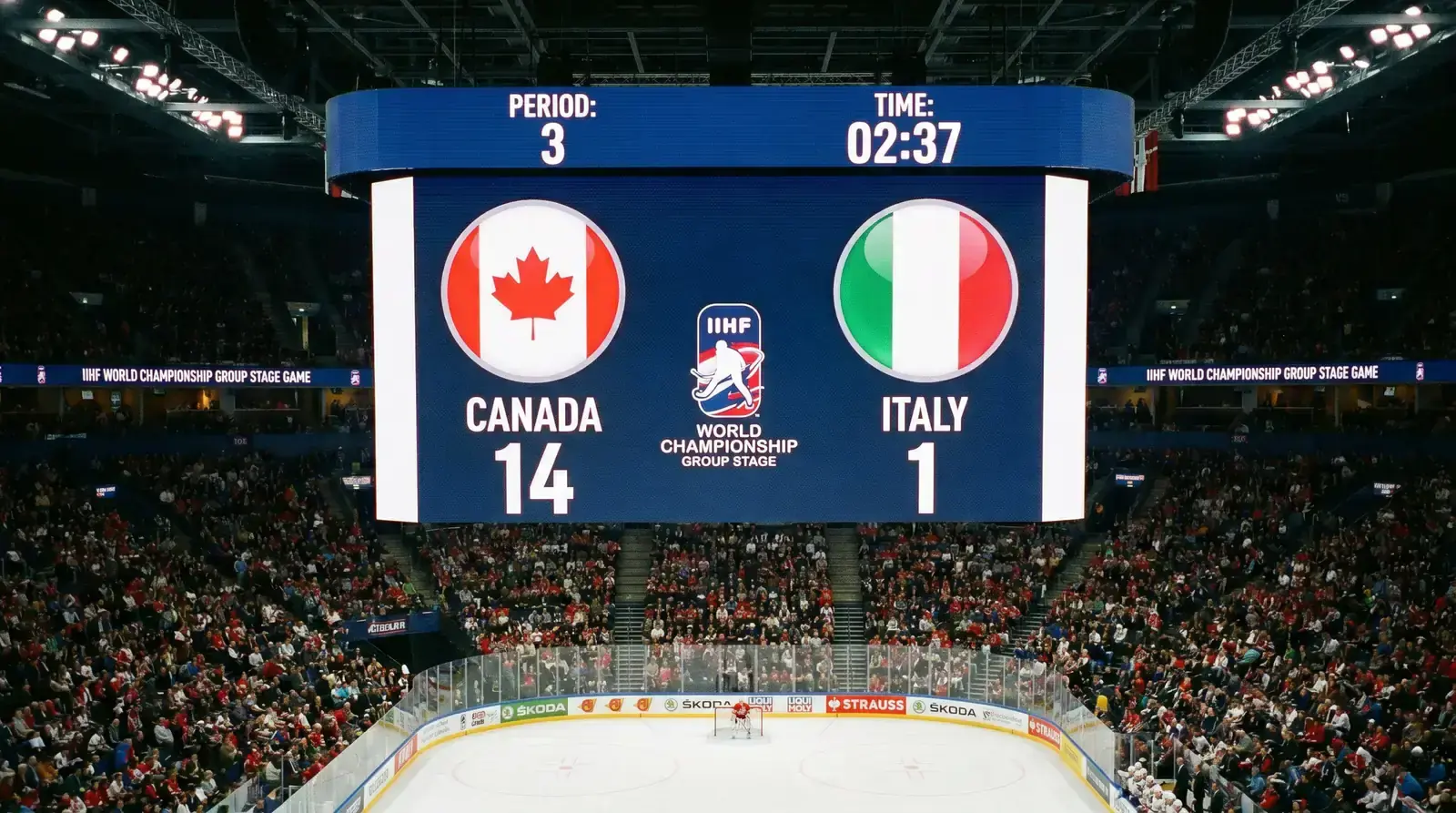
The tournament’s structure also lends itself to specific bet types that don’t exist in league play. Round-robin group stages produce mismatches that the NHL almost never does — Kazakhstan versus Canada, for instance. Those mismatches create extreme pricing on moneylines and totals, and understanding how to navigate extreme prices is a skill that transfers back to your NHL betting.
Tournament Format and Schedule
The 2026 IIHF World Championship featured 16 teams divided into two groups of eight. Each team plays seven round-robin games over 12 days. The top four from each group advance to a single-elimination knockout bracket: quarter-finals, semi-finals, bronze medal game, and gold medal final. That’s 56 group games and 8 knockout games, totalling 64 matches across roughly 17 days.
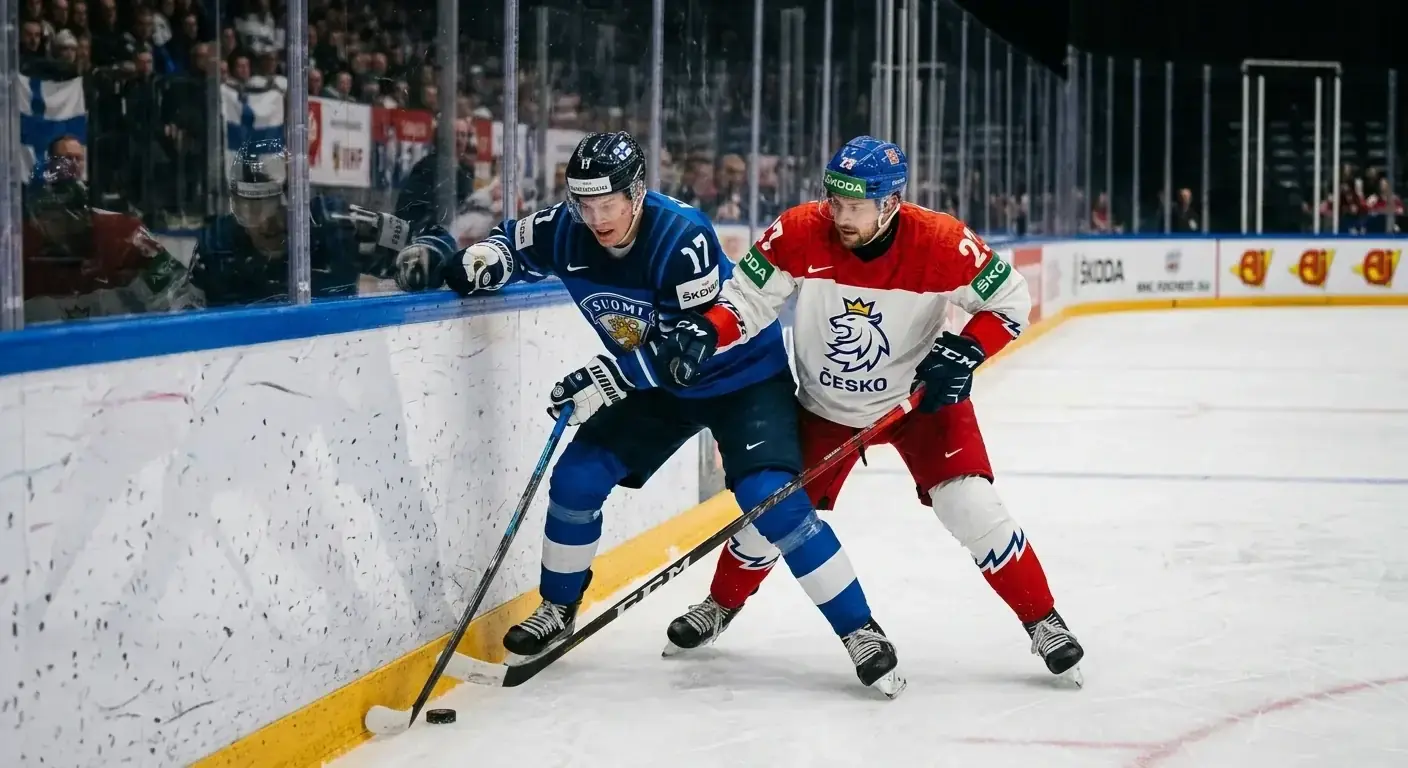
The schedule density is the first factor that affects betting. Two games per day per venue, with some teams playing on consecutive days, creates fatigue dynamics that don’t exist in the NHL’s more spread-out calendar. Teams with deeper rosters and stronger third and fourth lines handle the grind better. Nations that rely heavily on a single top line — typically the smaller hockey countries — show measurable performance drops in their sixth and seventh group games.
Another scheduling quirk: the Worlds overlap with the NHL playoffs. This means that nations with strong NHL representation — Canada, the United States, Sweden, Finland — often field weaker rosters in the early rounds because their best players are still competing for the Stanley Cup. As those players’ NHL teams are eliminated, they sometimes join their national squads mid-tournament. A Canadian team that looks ordinary in the group stage can transform overnight when several NHL playoff stars arrive. Tracking these roster additions in real time is one of the most reliable edges in Worlds betting.
Scoring Patterns at the IIHF Worlds
The World Junior Championship in Minneapolis produced 221 goals across 29 games in 2026 — an average of 7.6 per game, dramatically higher than both the senior Worlds and the NHL. Junior tournaments play on North American ice, and the combination of smaller surfaces and less experienced goaltending inflates scoring. The senior Worlds, played on the wider European ice, suppress it.
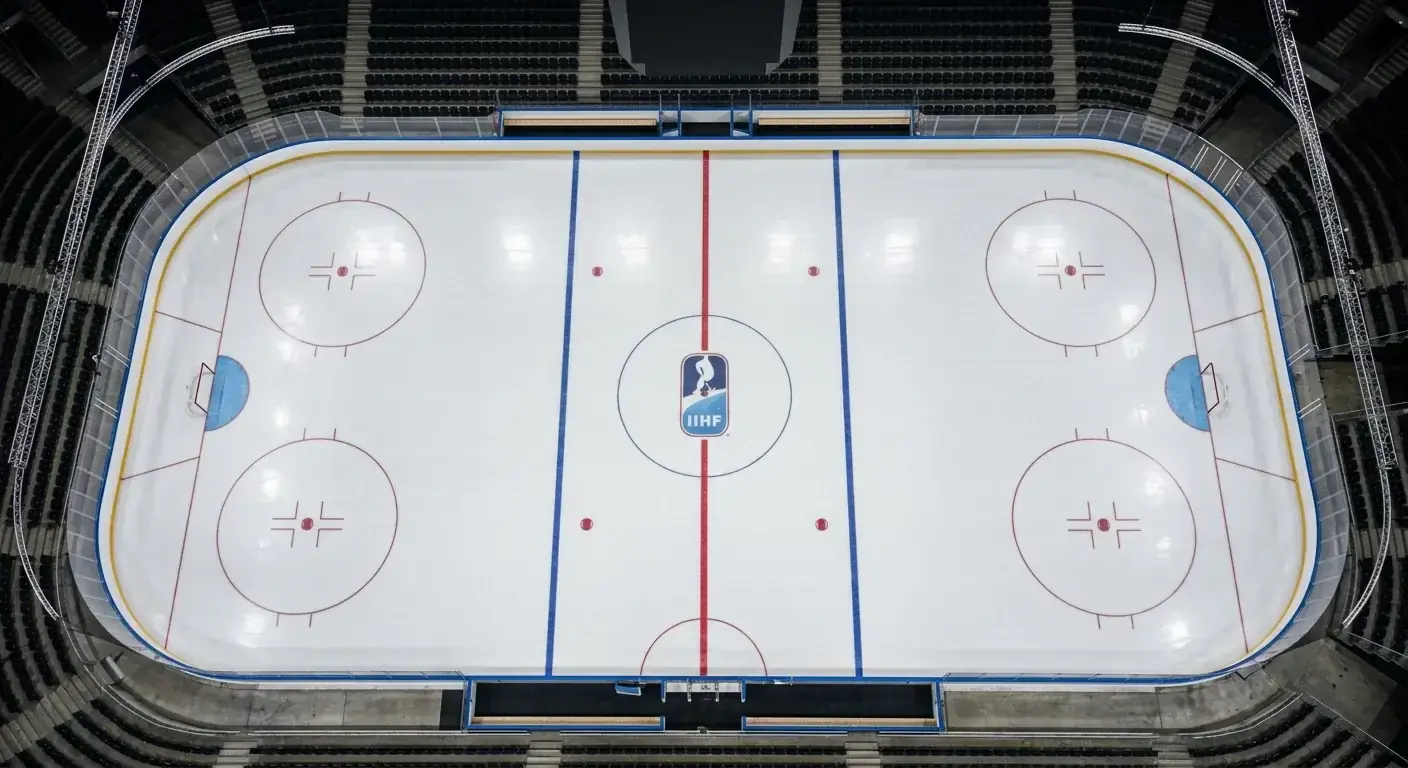
The larger ice surface at the senior Worlds (roughly 15% more area than an NHL rink) gives defences more space to operate and reduces the shooting opportunities that come from crowded offensive zones. This is why the 5.8 goals per game at the 2026 Worlds sits below the NHL average. Bettors who apply NHL scoring expectations to international games systematically overestimate totals.
Group-stage scoring follows a predictable pattern. The opening rounds produce the most lopsided results — top nations run up the score against relegation-threatened teams, with games finishing 7-1 or 8-0. As the group stage progresses and the stronger teams play each other, scoring compresses. By the time you reach the knockout rounds, games become tight, defensive affairs where 2-1 and 3-2 scorelines dominate. I adjust my totals approach accordingly: overs in the early group stage, unders in the knockout rounds.
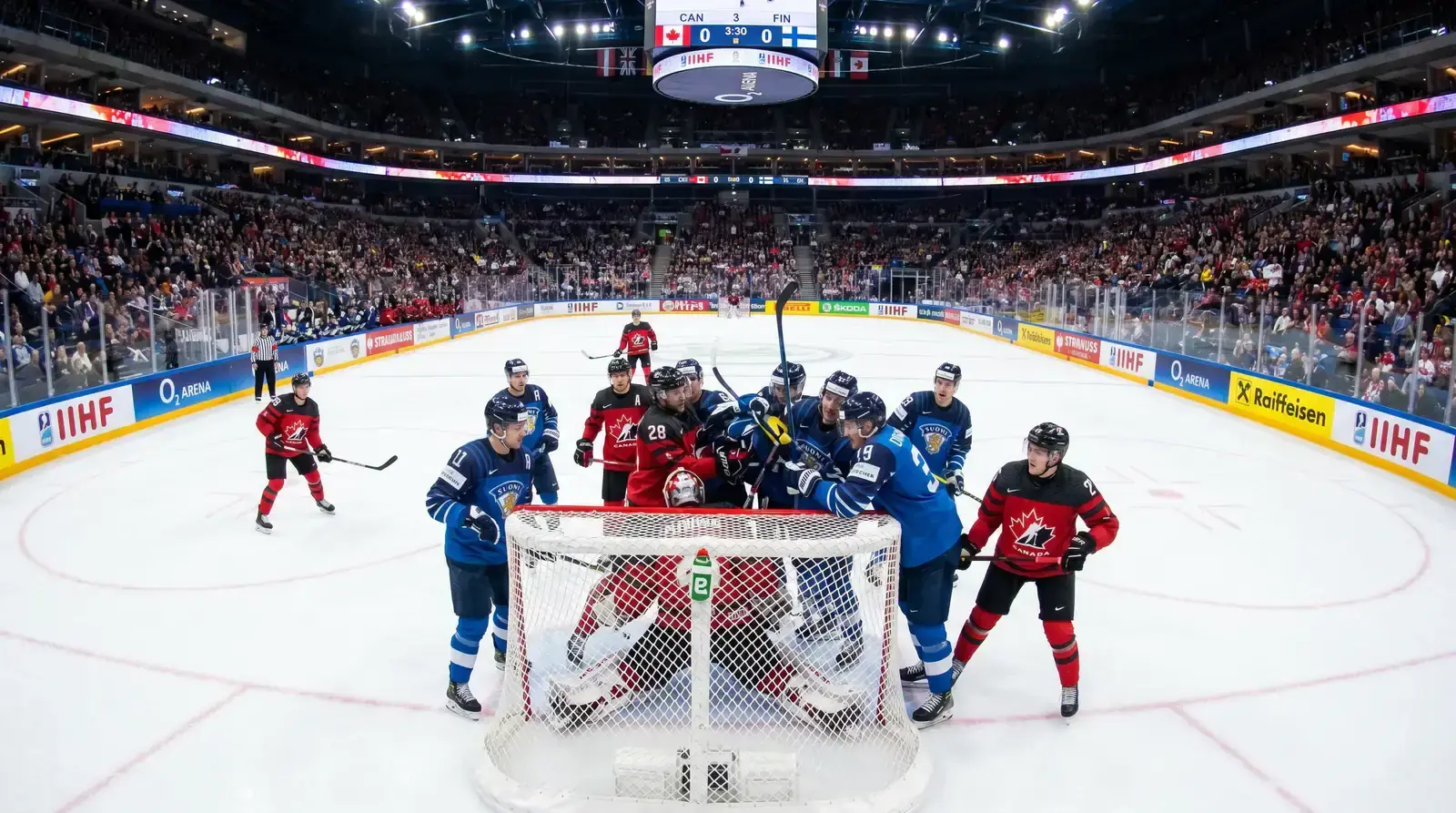
Available Betting Markets for IIHF Events
Most major UK bookmakers cover the IIHF World Championship, but the depth of markets varies. Match winner (full game, including overtime and shootout) is universally available. Totals are offered by most operators, typically at 5.5 for competitive games and 6.5 or higher for mismatches. Period markets, props, and alternative lines are less consistent — some bookmakers offer them for high-profile matchups only.
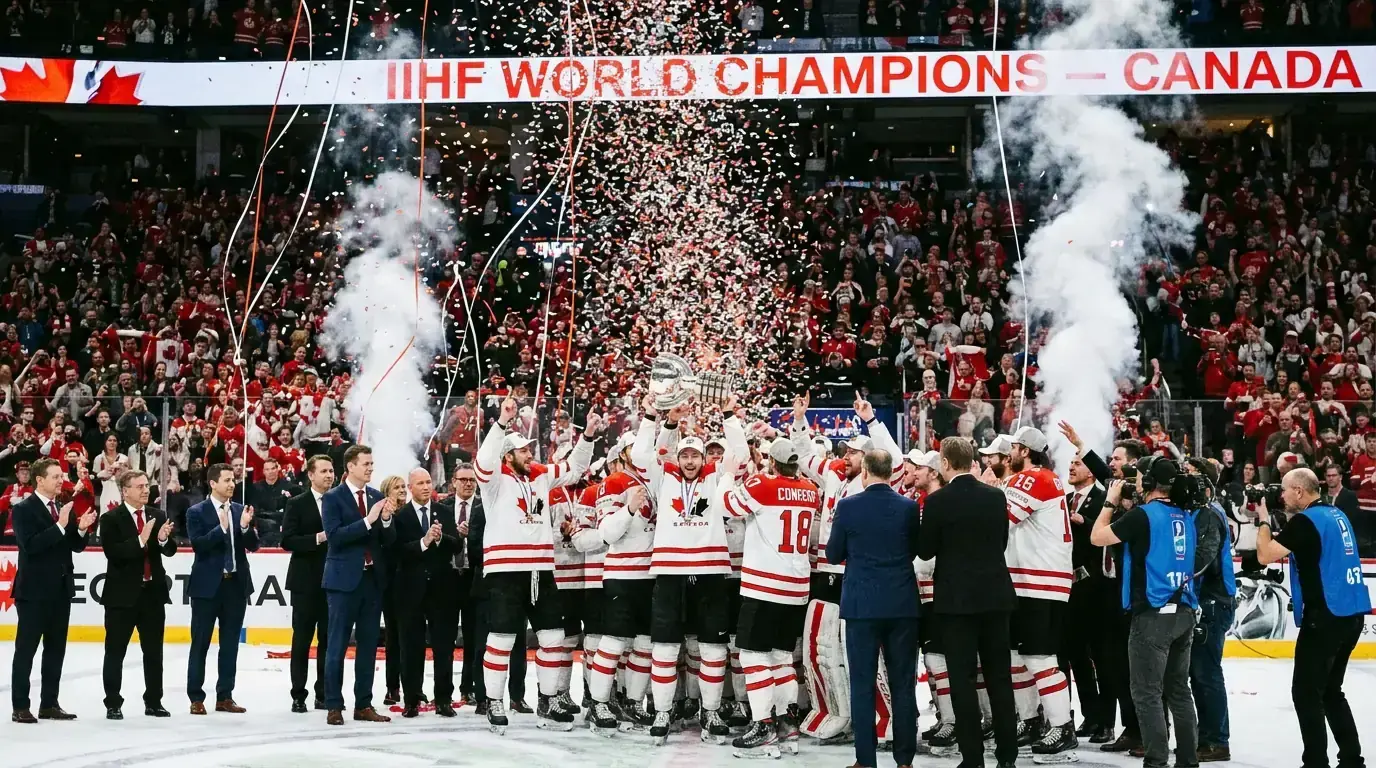
The outright winner market is where I find the most value. Tournament outrights carry wide margins — 130-150% combined overround across the field — but the public tends to overvalue Canada, which skews prices on other contenders. Finland won the 2026 title, and Nordic nations have been historically underpriced relative to their tournament success rate. Over the last decade, the outright favourite has won the Worlds approximately 20% of the time, which is similar to the Stanley Cup dynamic and reinforces the value of backing two or three contenders rather than one.
Group-stage match betting offers the highest volume of opportunities. With 56 games crammed into 12 days, you’re faced with four to six betting decisions daily — a pace that rewards preparation and punishes guesswork. I spend the week before the tournament studying each group, identifying the likely mismatches and competitive games, and setting target prices for the matchups I want to bet. When the tournament begins, execution is mechanical: compare my target price to the market price, bet when the market is generous, pass when it isn’t.
For UK bettors looking to expand beyond the women’s hockey and NHL markets, the IIHF World Championship offers a concentrated burst of international action with softer lines than you’ll find anywhere in domestic league betting. The tournament is short, the preparation is manageable, and the rewards for anyone willing to study the format are disproportionately generous.
