


Responsible Gambling Is Part of the Game
I’ve written thousands of words across this site about strategy, analytics, and market analysis. None of it matters if you’re betting more than you can afford to lose, chasing losses at 2am, or feeling anxious about the outcome of every game. Responsible gambling isn’t a topic I tack onto the end because I’m supposed to. It’s a topic I take seriously because I’ve watched people I know cross the line from recreational betting into harmful behaviour, and the distance between those two states is shorter than most people realise.
In the UK, approximately 2.7% of adults — around 1.4 million people — score 8 or higher on the Problem Gambling Severity Index, placing them in the “problem gambler” or “moderate risk” categories. That’s not a small number. It’s a population the size of a mid-sized city, and it includes people who started exactly where you might be now: interested in a sport, curious about the markets, placing small bets for entertainment.
Hockey betting carries specific risk factors that are worth acknowledging openly. NHL games start late in the UK — typically between 11pm and 3am. Late-night betting, especially in-play, is associated with impulsive decision-making and reduced self-regulation. The high frequency of games (up to 16 per night during the regular season) creates constant temptation to bet, even on games where you have no informed opinion. And the variance inherent in hockey — where even strong analytical edges produce frequent losing streaks — can trigger the emotional responses that lead to chasing behaviour.
Problem Gambling in the UK: What the Data Shows
The Lancet Public Health Commission on Gambling published a landmark analysis in 2024 estimating that 46.2% of adults and 17.9% of adolescents worldwide had gambled within the previous year. The Commission’s conclusion was direct: gambling poses a threat to public health and requires substantial expansion of industry regulation. Among online sports bettors specifically, 8.9% met the criteria for problem gambling — a rate significantly higher than the general gambling population.
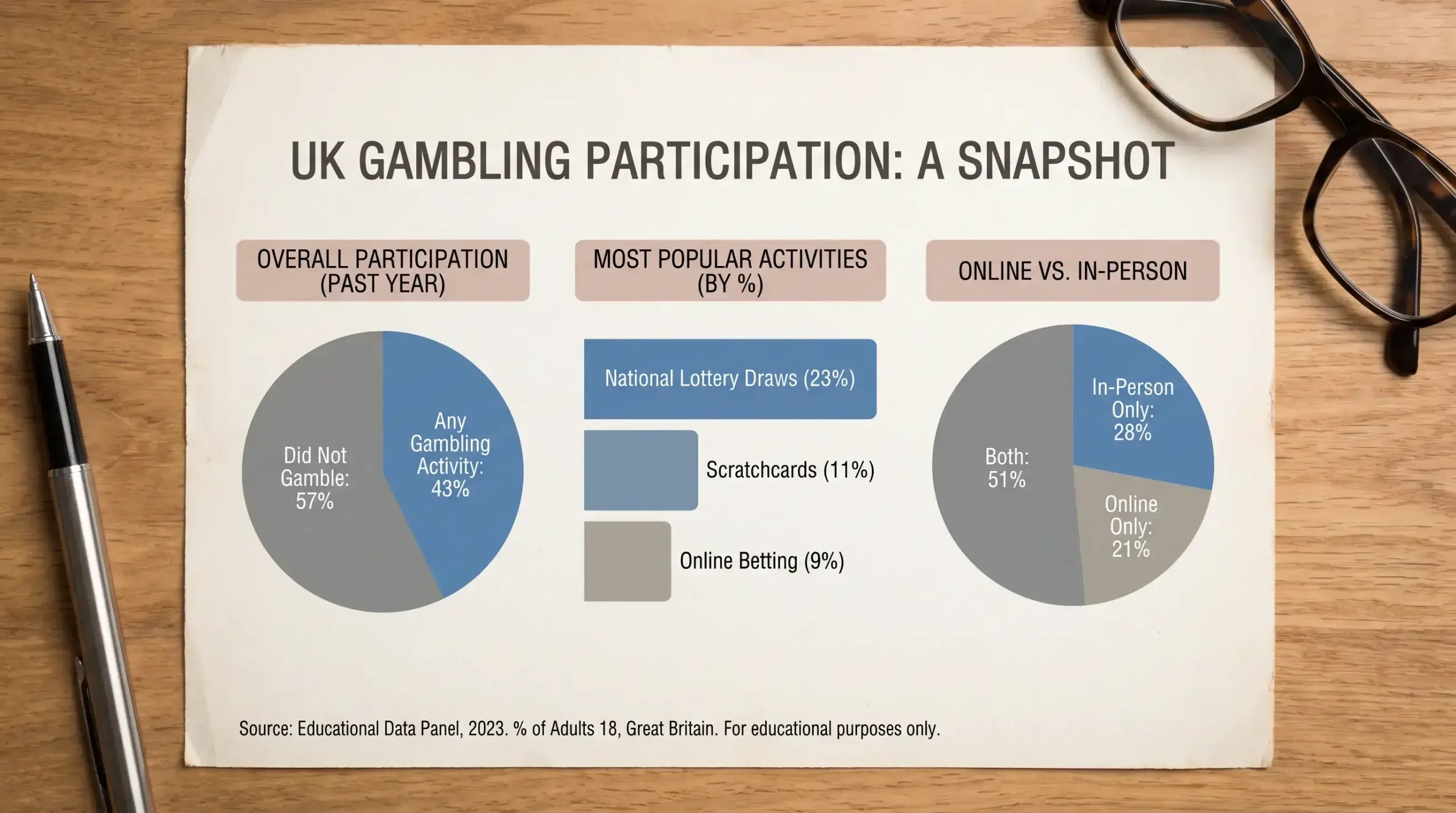
Those numbers aren’t abstractions. They describe real people experiencing financial harm, relationship damage, and mental health consequences that persist long after the bets are settled. The Commission projected that global net consumer losses from gambling would reach $700 billion by 2028 — a figure that represents money flowing from individuals to operators, with a measurable fraction coming from people who cannot afford those losses.
In the UK specifically, the gambling landscape is undergoing regulatory tightening. The government allocated an additional £26 million to the Gambling Commission over three years to combat the illegal market, and the Premier League announced a ban on bookmaker shirt sponsorship starting in the 2026-27 season. These measures reflect growing public and political concern about gambling’s societal impact — a concern that I believe is well-founded even as I continue to write about hockey betting as a legitimate analytical pursuit.
The tension between enjoying sports betting as a skilled activity and acknowledging its potential for harm isn’t a contradiction. It’s the reality that every informed bettor should hold in mind.
Safer Gambling Tools at UK Bookmakers
Every UKGC-licensed bookmaker is required to offer a suite of responsible gambling tools. The quality and accessibility of these tools varies between operators, and I encourage you to explore them proactively — before you need them, not after.
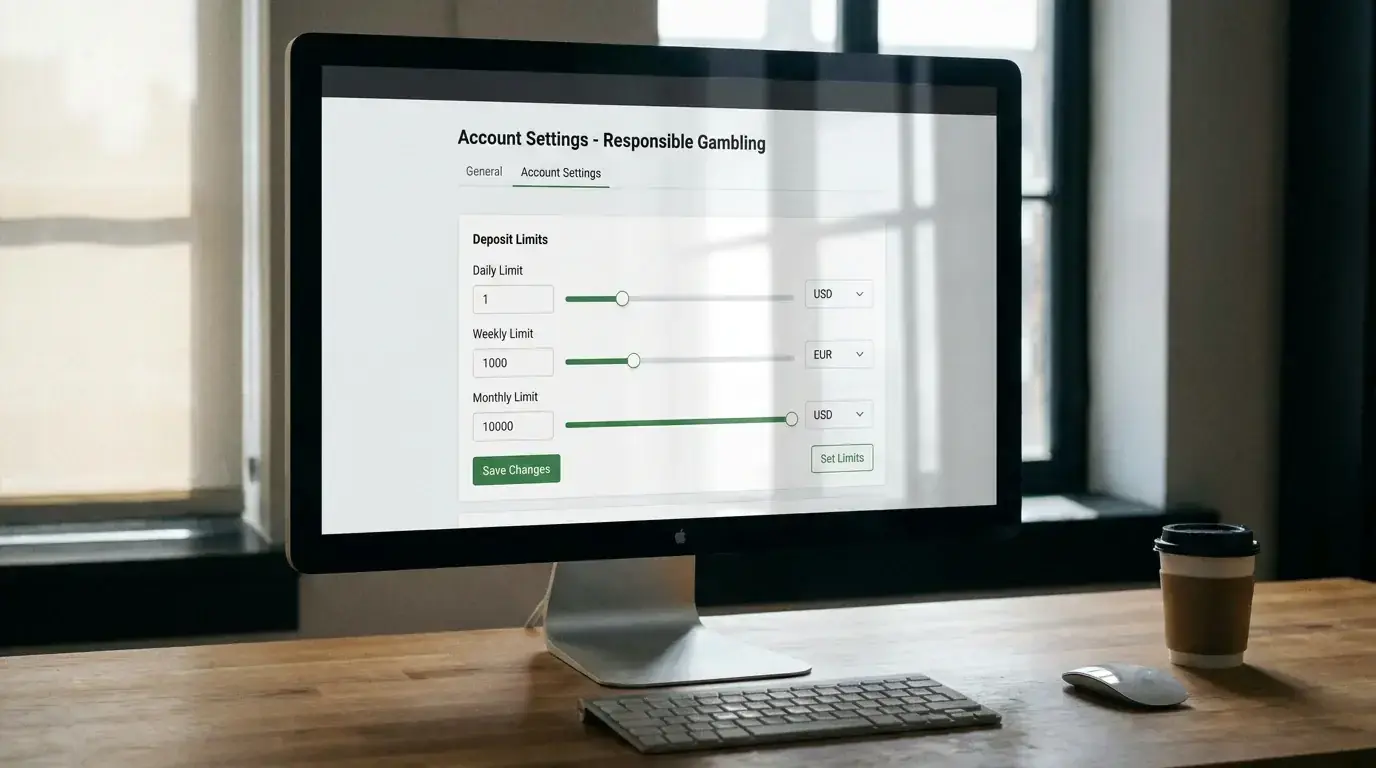
Deposit limits allow you to set a maximum amount that you can deposit into your betting account over a day, week, or month. Once set, the limit cannot be increased immediately — most operators require a 24-48 hour cooling-off period before a limit increase takes effect. I have deposit limits set on every bookmaker account I use, calibrated to my monthly betting budget. This isn’t because I don’t trust myself. It’s because I recognise that future-me at 1am after a three-game losing streak is not the same decision-maker as present-me setting up the account in the afternoon.
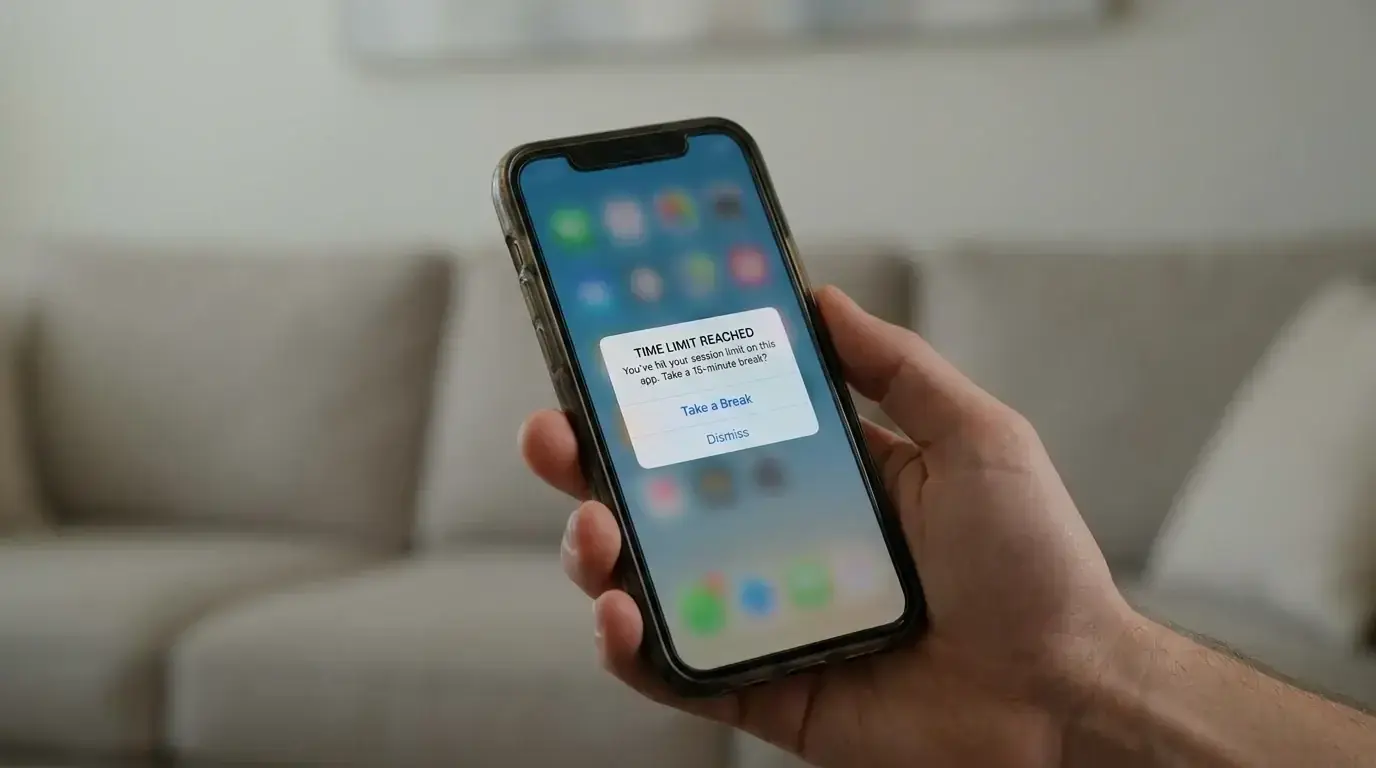
Session time limits and reality checks prompt you with a notification after a set period of continuous gambling — typically 30, 60, or 90 minutes. These prompts interrupt the flow state that can develop during extended live betting sessions, forcing a conscious decision to continue rather than allowing autopilot to take over.
Loss limits cap the total amount you can lose over a defined period. Some operators offer this as a separate feature from deposit limits; others combine them. If your bookmaker offers a standalone loss limit, set it. It’s the most direct guardrail against harmful sessions.
Self-exclusion is the strongest tool available. GAMSTOP is the UK’s free self-exclusion scheme that allows you to exclude yourself from all UKGC-licensed online gambling operators for a minimum of six months. If you feel that your gambling is becoming harmful, GAMSTOP provides an immediate, comprehensive barrier. It’s not a failure to use it. It’s the most responsible action you can take.

Where to Get Help
If you or someone you know is experiencing harm from gambling, several organisations in the UK provide free, confidential support.
The National Gambling Helpline (0808 8020 133) offers telephone support and is available 24 hours a day. GamCare provides online chat, forums, and counselling services for anyone affected by gambling, including family members and friends. BeGambleAware (begambleaware.org) offers self-assessment tools, information about treatment options, and direct referrals to support services.
For hockey bettors specifically, I’d add a personal recommendation: if you find yourself consistently betting more games than your pre-session plan allows, increasing stakes after losses, or feeling unable to stop during a live session, those are warning signs worth taking seriously. You don’t need to be in crisis to seek support. The organisations above are designed to help at any stage, from mild concern to acute distress.
Responsible gambling and informed bookmaker selection go hand in hand. The best betting site in the world is worthless if it doesn’t support your ability to gamble safely. Choose operators that make responsible gambling tools visible, accessible, and easy to use. And check in with yourself regularly — not just your bankroll spreadsheet, but your emotional relationship with betting. The stakes that matter most aren’t financial.
