


Futures Markets in Hockey: Where Patience Meets Value
The Stanley Cup gets all the attention, but it’s not the only futures market worth your time. I discovered this in 2022 when I noticed that conference winner odds at my bookmaker were significantly more generous than what the probabilities warranted. The field was smaller — 16 teams instead of 32 — and the overround was lower, which meant better value per selection. Since then, I’ve spread my futures capital across at least three different markets every season.
NHL average viewership hit 546,000 per game in the 2025-26 season, a 14-year high. That commercial spotlight has expanded the menu of futures available at UK bookmakers beyond Cup winner to include conference and division outrights, individual award markets, and season-long statistical props. Each of these markets has its own dynamics, timing windows, and pricing characteristics — and each one offers a different way to express a long-term analytical opinion.
Types of Hockey Futures Beyond the Cup
Conference winner outrights split the NHL into two fields: the Eastern Conference and the Western Conference. With 16 teams per conference, the overround is typically tighter than on the Cup outright — around 115-130% compared to 130-150%. That translates to better odds for the bettor on each selection. Conference outrights settle when a team wins the conference final, which means they resolve one round before the Cup, reducing the number of playoff series your team needs to navigate from four to three.
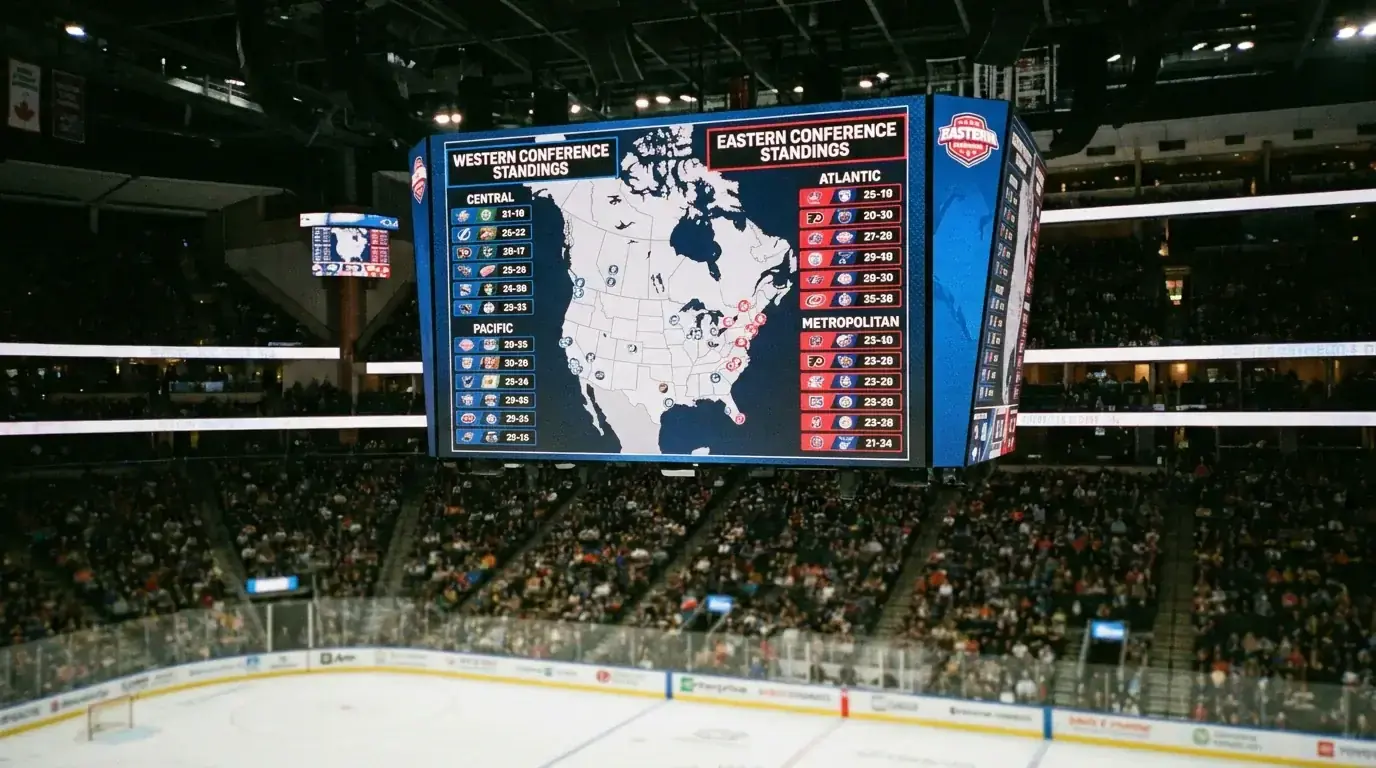
Division winner outrights narrow the field further to eight teams per division. These markets are less commonly offered by UK bookmakers, but when available, they provide an attractive opportunity. The favourite in a division often wins at a higher rate than the Cup favourite because there’s less variance in a smaller field. Pricing reflects this, with division favourites often sitting at odds-on, but value can be found on second and third contenders.
Individual award markets cover the Hart Trophy (MVP), the Vezina Trophy (best goaltender), the Norris Trophy (best defenceman), the Calder Trophy (rookie of the year), and others. These markets open before the season and adjust throughout the year. NHL teams generated a record $1.53 billion in sponsorship revenue in 2024-25, and that commercial growth has increased media coverage of individual player performances, which in turn has made award futures more visible and more actively traded.

Award futures are where I’ve found some of my best long-term value. The Calder Trophy, in particular, is a market that the public systematically misprices. High draft picks receive disproportionate early attention and shorter odds, while later-round picks or European imports who dominate in training camp often fly under the radar. Watching preseason performance and early-season deployment patterns — which rookies are getting first-line minutes, first-unit power-play time — gives you an information edge that persists for weeks after the season begins.
How Futures Prices Evolve Through the Season
Futures prices follow a predictable arc. They open wide in the preseason, tighten through the regular season as the field narrows, and compress dramatically once the playoffs begin. A Cup contender at 18/1 in October might be 8/1 in February and 3/1 by the time the playoffs start. The bettor who entered at 18/1 holds a position that’s worth significantly more than what they paid, even if the team hasn’t won anything yet.
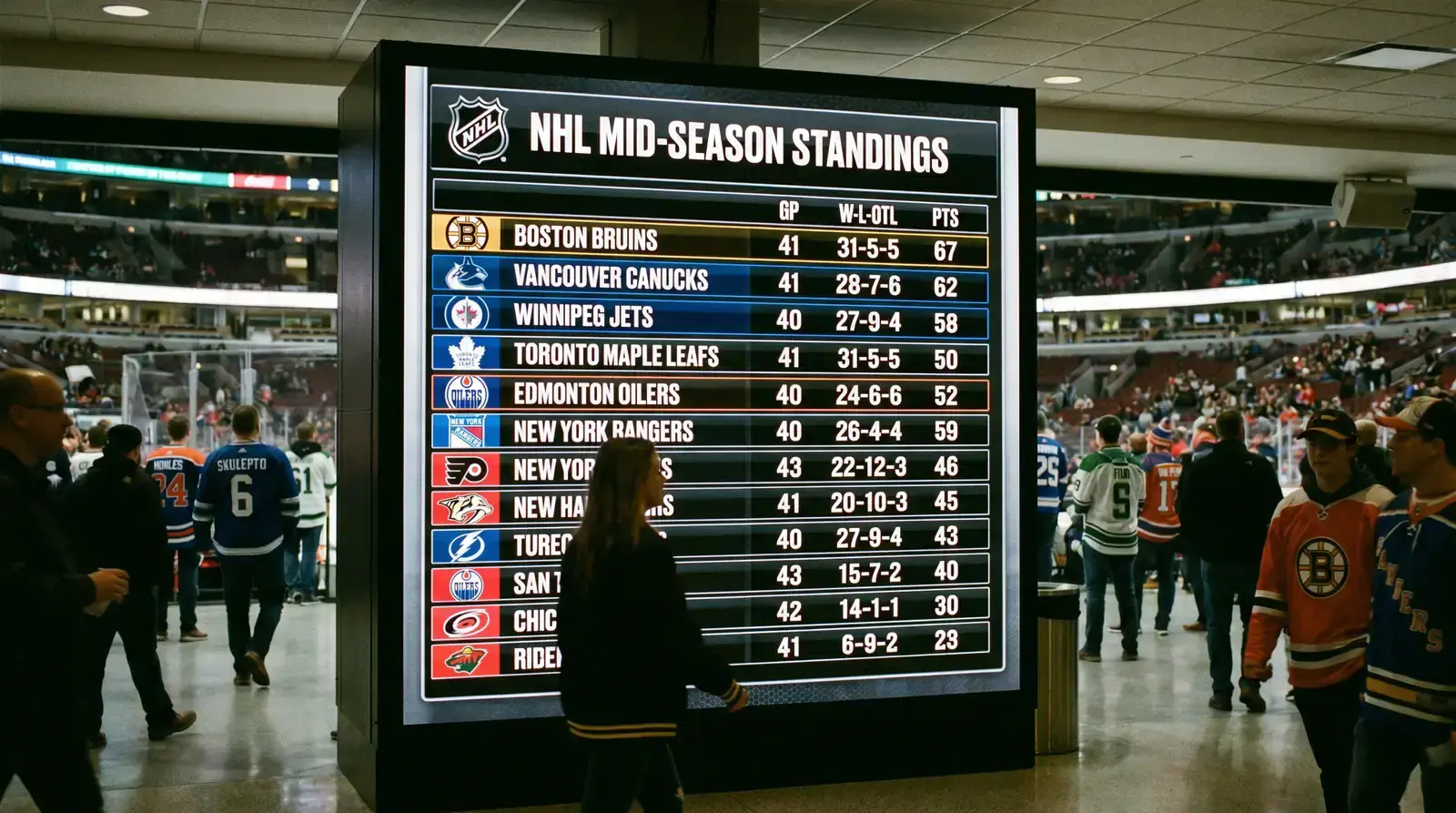
That price evolution creates two strategic opportunities. The first is early entry: placing your bet when the odds are widest and accepting the risk of a long wait. The second is hedging: placing a counter-bet later in the season to guarantee profit regardless of the outcome. If you backed a team at 18/1 with a GBP 20 stake and they reach the conference final at 5/2, you can place a lay bet or back the opposing team to guarantee a return that exceeds your original stake.
Hedging is more relevant for hockey futures than for most football outrights because the playoff format provides natural hedge points. After each playoff series, the field shrinks and prices adjust. You can choose to hedge after the first round, after the second round, or at the conference final — each point offering different hedge ratios and guaranteed profit levels.
Hedging and Managing Open Futures Bets
The decision to hedge a futures bet is a personal one, and I’ve changed my approach over the years. Early in my betting career, I hedged everything the moment I had a profitable position. Now, I hedge selectively, only when the guaranteed return from hedging exceeds what I believe the remaining expected value of the bet to be.

Here’s a concrete example. I backed a team at 14/1 with a GBP 20 stake (potential return GBP 300). The team reaches the Cup final as a slight underdog against the opponent. The pre-final moneyline is +120 (2.20 decimal). If I believe my team has a 40% chance of winning the Cup, the expected value of my open bet is 0.40 x GBP 300 = GBP 120. If I can hedge by backing the opponent for GBP 100 at -120 (1.83 decimal), my guaranteed position becomes: if my team wins, I collect GBP 300 minus GBP 100 = GBP 200 net; if the opponent wins, I collect GBP 83 from the hedge minus GBP 20 original stake = GBP 63 net. Both outcomes are profitable. Whether the hedge is worth it depends on whether the GBP 63 guaranteed floor exceeds the risk-adjusted value of keeping the full GBP 300 potential alive.
For award futures, hedging is less practical because the market is thinner and lay options are limited. Most award futures bets are ride-or-die propositions — you place them early, monitor the race through the season, and accept the outcome when the votes are tallied.
Managing open futures positions also means knowing when to cut your losses. If you backed a team at 14/1 in October and they’ve lost their starting goaltender to a season-ending injury by December, the futures ticket has lost most of its value. Some bookmakers offer cash out on futures, which allows you to recover a fraction of your stake. Others don’t. If cash out isn’t available, the ticket sits in your account as a sunk cost — a reminder that futures betting ties up capital for long periods, and that capital allocation matters as much as selection quality. Discipline in managing these positions separates serious futures bettors from those who treat the market as a Stanley Cup lottery ticket.
