

Why Most Hockey Bettors Lose — And How to Stop
I’ve made every mistake in this article. Some of them I made once and learned from. Others I made repeatedly before the pattern became obvious enough to break. The average sportsbook hold sits at 10.15% — meaning the industry takes roughly ten pence from every pound wagered over time. That margin is beatable, but only if you eliminate the self-inflicted errors that widen the gap between your edge and the bookmaker’s.
The mistakes below aren’t theoretical. They’re drawn from six years of tracking my own bets, reviewing my losses, and identifying the behaviours that turned winning sessions into losing ones. Some are analytical errors; others are psychological traps. All of them are fixable. The bettors who survive long enough to become profitable aren’t the ones who never make mistakes — they’re the ones who recognise their mistakes and build systems to prevent repetition.
Ignoring the Goaltender Announcement
This is the most common mistake among hockey bettors transitioning from football, and it’s the easiest to fix. In football, team news matters but rarely shifts the odds dramatically. In hockey, a goaltender change can move the implied probability by 3-5%. Betting on a hockey game without checking who’s in goal is like betting on a football match without knowing whether the first-choice goalkeeper is playing — except the impact is three to five times larger.

I catch myself doing this when I’m in a hurry. I’ll see a line I like, place the bet quickly, and then discover an hour later that the team has switched to its backup goaltender. The line has already moved against me, and I’m holding a bet at a price that no longer reflects reality. The fix is simple: never place a pre-game hockey bet until goaltender confirmations are available. Write that rule down. Follow it every time. No exceptions.
Goaltender confirmations typically arrive between 3:30pm and 7:00pm UK time for that night’s NHL games. If you’re planning to bet, check the confirmations before pressing submit. The information is free, widely available on social media, and directly actionable. There is no excuse for ignoring it.
Chasing Losses After a Bad Night of NHL
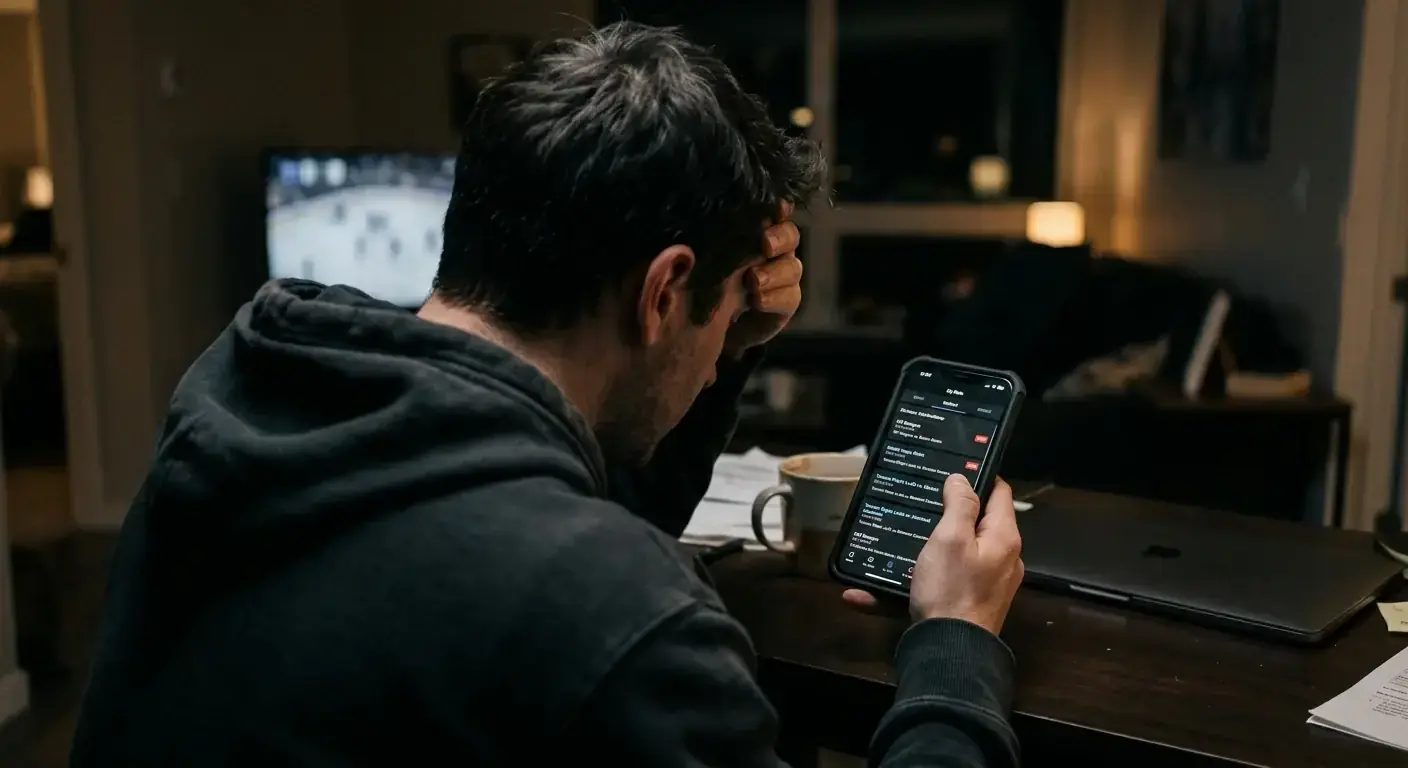
NHL games cluster between 11pm and 3am UK time. A losing session at midnight creates a specific kind of frustration: you’re tired, you’re down money, and there are still three or four games left to bet on. The temptation to increase stakes on a late game to “get back to even” is enormous. Among online sports bettors, 8.9% meet the criteria for problem gambling, and chasing losses is one of the most common behavioural markers identified by researchers.

I combated this by setting a hard rule: no more than four bets per night, and no increasing stakes after a loss. If my first three bets all lose, the fourth bet is the same unit size as the first three. If all four lose, I’m done. I don’t look at the remaining games. I close the app and review the session in the morning, when my analytical capacity isn’t compromised by fatigue and frustration.
Chasing is the single most destructive behaviour in sports betting because it compounds losses exponentially. A three-unit loss from a bad night becomes a seven-unit loss after a failed chase. That seven-unit hole takes weeks to climb out of, creating additional psychological pressure that leads to more chasing. The cycle is vicious and predictable. Breaking it requires pre-committed rules, not willpower.
Over-Relying on Parlays for Hockey
Parlays (accumulators) are entertainment products. They’re designed to be exciting — five teams, big odds, potential for a massive payout. But the mathematics of parlays work overwhelmingly in the bookmaker’s favour. Each leg of a parlay multiplies the bookmaker’s margin. A three-leg parlay with a 5% margin per leg doesn’t carry a 5% margin — it carries a compounded margin closer to 14-15%. The more legs you add, the worse the expected value becomes.
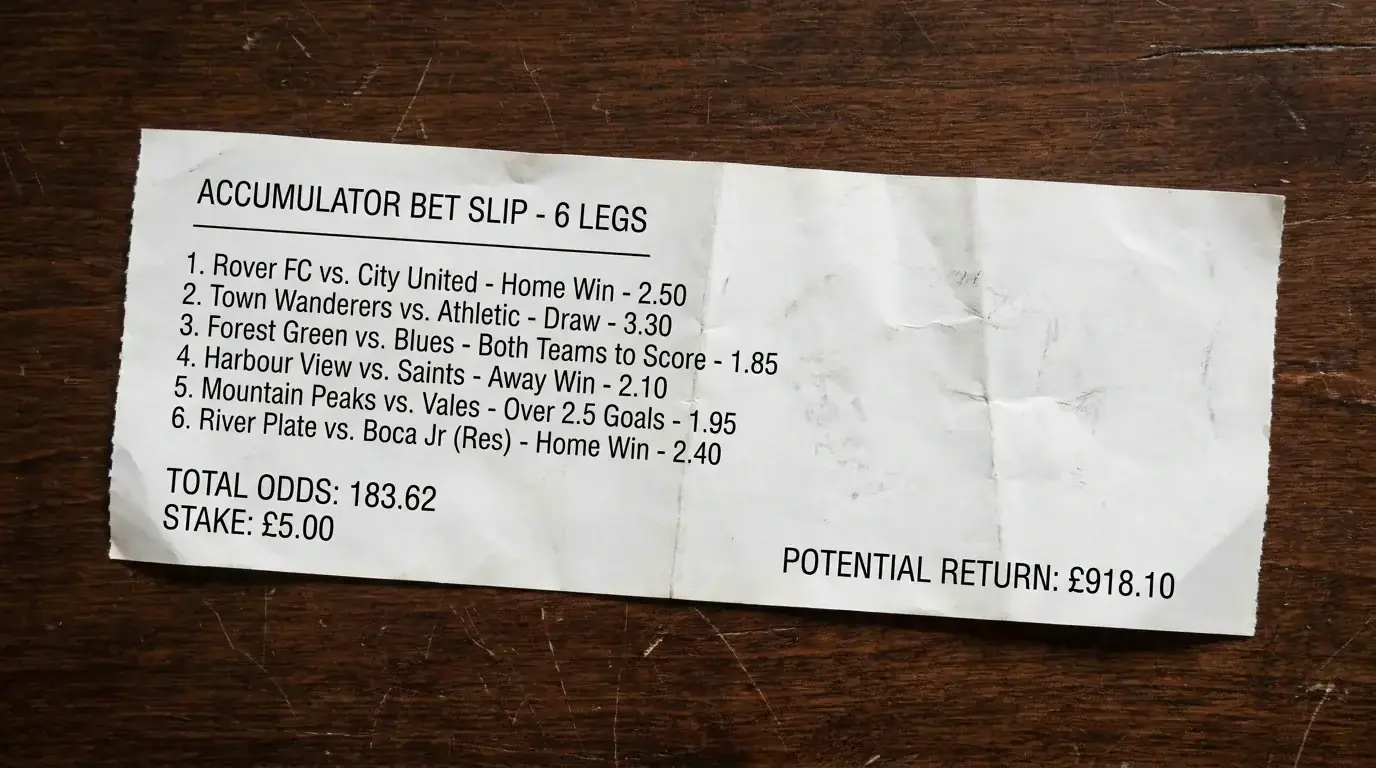
I’m not saying never bet parlays. I’m saying don’t treat them as a strategy. If you enjoy placing a £5 acca on Saturday night’s NHL games, that’s fine — it’s entertainment spending, like buying a cinema ticket. But if parlays represent more than 10% of your monthly betting volume, you’re systematically overpaying the bookmaker’s margin and making it impossible to show a long-term profit.
The alternative is straightforward: bet singles. A single bet on a selection you’ve analysed thoroughly, at the best available price, with a disciplined stake size. It’s less exciting. It won’t produce a screenshot-worthy payout. But over 500 bets, singles will outperform parlays by a margin that makes the excitement difference irrelevant.
Not Tracking Results or Measuring ROI
Bill Miller, the president of the American Gaming Association, noted that 2025 was another strong year for the industry but cautioned against taking success for granted. The same applies to individual bettors. If you’re not tracking your results, you don’t know whether you’re profitable — you’re guessing based on whether your bankroll feels bigger or smaller than it did last month.
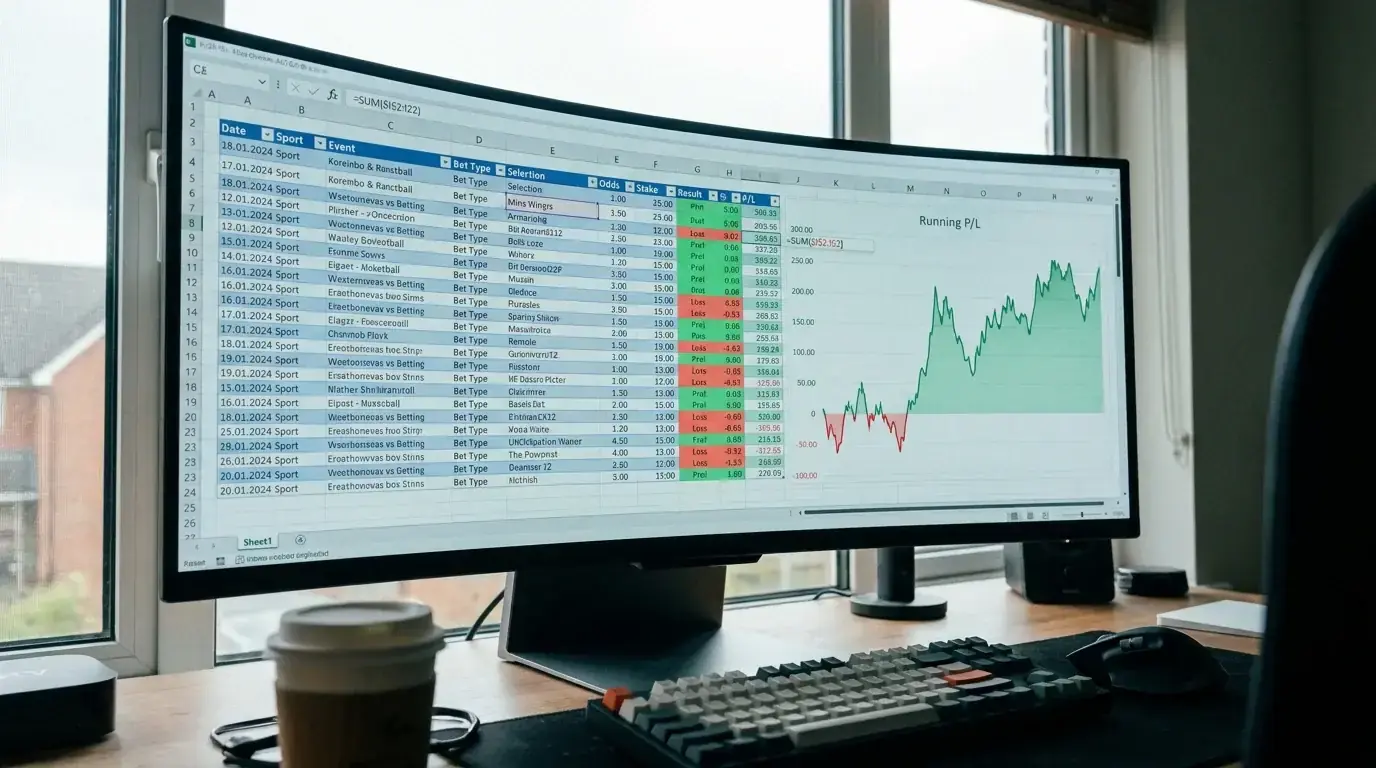
I track every bet in a spreadsheet: date, league, market type, odds, stake, result, running profit/loss. At the end of each month, I calculate three numbers: total ROI (profit divided by total stakes), closing line value (how my bet price compared to the closing line), and longest losing streak. Those three numbers tell me whether my strategy is working, whether the market respects my selections, and whether my bankroll management is robust enough to survive the variance.
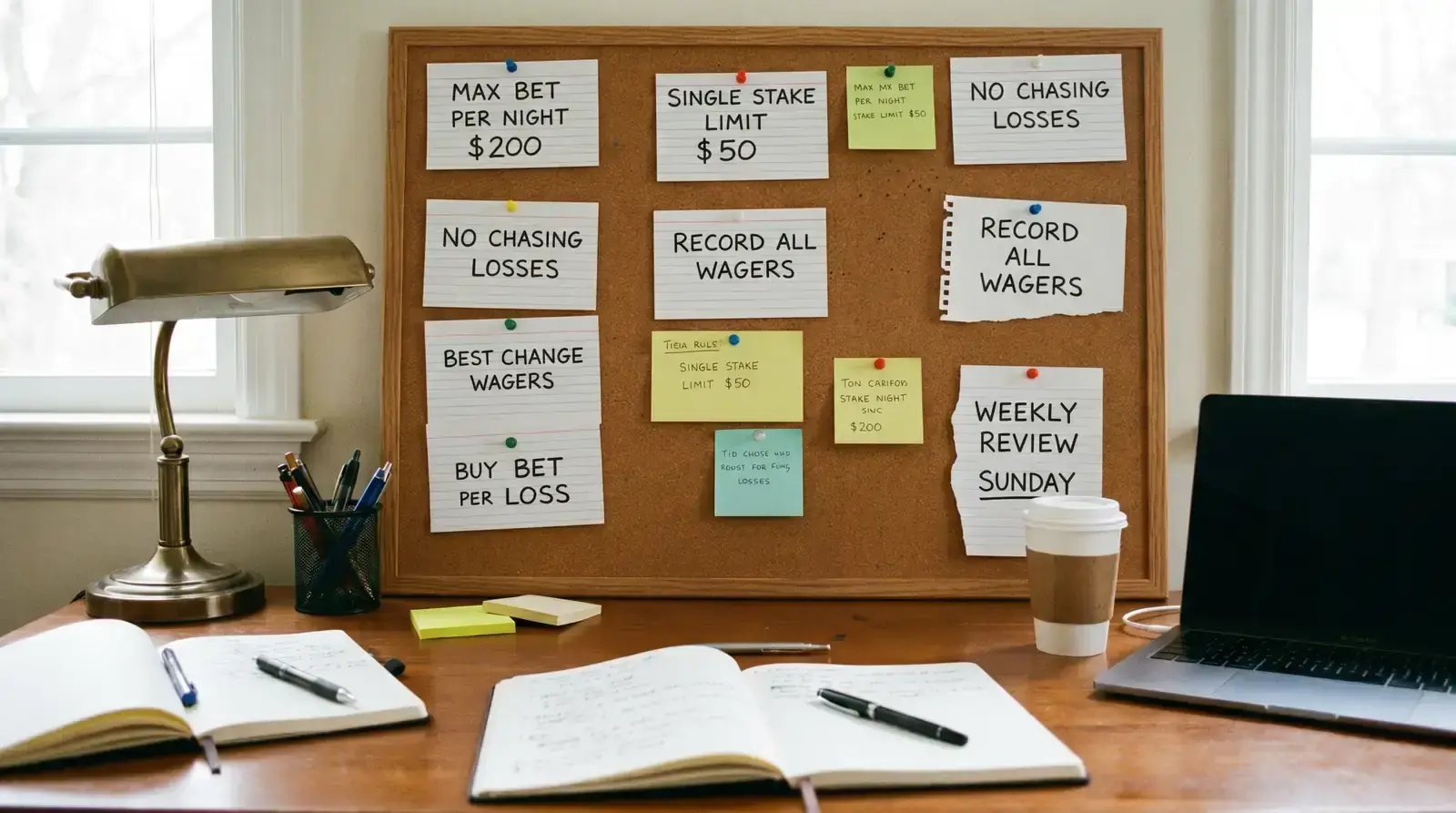
Most bettors resist tracking because the numbers are unflattering. Nobody wants to see a negative ROI in black and white. But that discomfort is precisely the point. Tracking forces honesty. It reveals whether your “profitable hobby” is actually profitable or whether selective memory is protecting your ego. It identifies which market types you win at and which you lose at. And it provides the data foundation for improving your process over time.
If you take one action after reading this article, start a tracking spreadsheet. Record your next 50 hockey bets with full details. At the end of those 50 bets, review the numbers with the same analytical rigour you’d apply to a game. That exercise will teach you more about your hockey betting than any strategy guide ever could.
